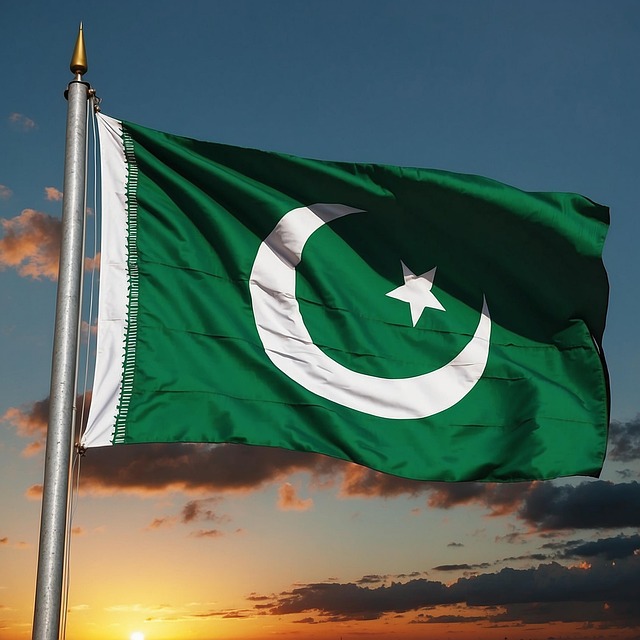
Pakistan vs Bangladesh sport cultures differ significantly due to historical, political, and economic factors. While Pakistan prioritizes traditional sports like kabaddi and hockey, influenced by military rule, Bangladesh embraces modern cricket as a unifying force post-independence, with grassroots initiatives driving participation. Economic growth drives infrastructure development but also raises concerns about child labor. Both countries can enhance their sport cultures by encouraging diverse activities, modernizing traditions, addressing political influences, and leveraging economic investments for inclusive growth. Understanding these contrasts fosters mutual respect between the two nations.
Sport culture and popularity hold immense significance in shaping societal dynamics across Pakistan and Bangladesh—two neighboring nations with distinct historical and cultural backgrounds. While both countries share a passion for cricket, their sporting landscapes diverge dramatically, reflecting broader socio-political realities. This article offers an in-depth exploration of how sport is not merely a pastime but a mirror reflecting the values, aspirations, and challenges unique to each nation. By comparing Pakistan vs. Bangladesh, we aim to provide valuable insights into the multifaceted role sport plays in fostering identity, community engagement, and national pride.
- Sport Culture: Pakistan vs Bangladesh: Traditions and Differences
- Popular Sports: A Comparative Analysis in South Asia
- Fan Engagement: Understanding Passion and Participation in Both Nations
Sport Culture: Pakistan vs Bangladesh: Traditions and Differences
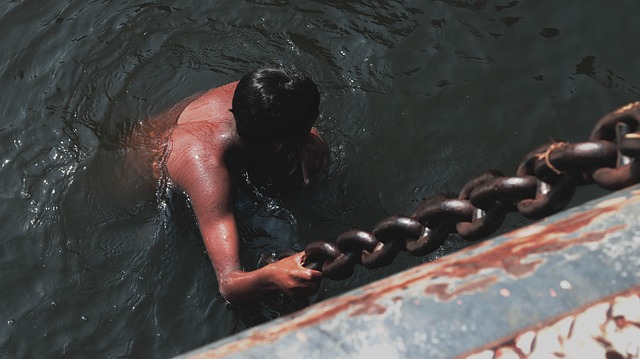
Sport culture in Pakistan and Bangladesh reflects distinct traditions shaped by historical contexts and political dynamics. While both countries share a passion for cricket as a national obsession, underlying differences highlight unique sporting landscapes. In Pakistan, sports often mirror social hierarchies, with traditional games like kabaddi and hockey enjoying significant popularity, especially in rural areas. These sports have deep roots in local communities, fostering a sense of belonging and cultural identity. Conversely, Bangladesh has witnessed the rise of modern sports, particularly cricket, as a unifying force since its independence. This sport’s popularity transcends socio-economic divides, uniting diverse regions within the country.
Political influences play a notable role in shaping sporting landscapes. Pakistan’s history of military rule has impacted athletic funding and infrastructure development, with certain sports gaining prominence due to state support. Bangladesh, on the other hand, has navigated political instability differently, relying more on grassroots initiatives and private sector involvement for sport promotion. As a result, while Pakistan excels in traditional sports, Bangladesh has made remarkable strides in cricket at both the international and domestic levels. Economic development also contributes; as both nations experience growth, investments in sports facilities and programs increase, potentially addressing child labor issues through enhanced leisure opportunities.
The contrast between Pakistan vs. Bangladesh sporting cultures underscores diverse community engagement and governmental approaches. Considering healthcare accessibility, these differences can impact participation rates and overall sport culture health. For instance, Bangladesh’s focus on cricket development programs has engaged youth across the country, promoting social integration. In contrast, Pakistan’s traditional sports events may offer valuable cultural insights but might require modernizing to cater to contemporary athletic trends. To foster healthy sport cultures, both countries should encourage diverse sporting activities, leveraging economic development and community engagement strategies while addressing political influences that shape their unique sporting landscapes.
Popular Sports: A Comparative Analysis in South Asia
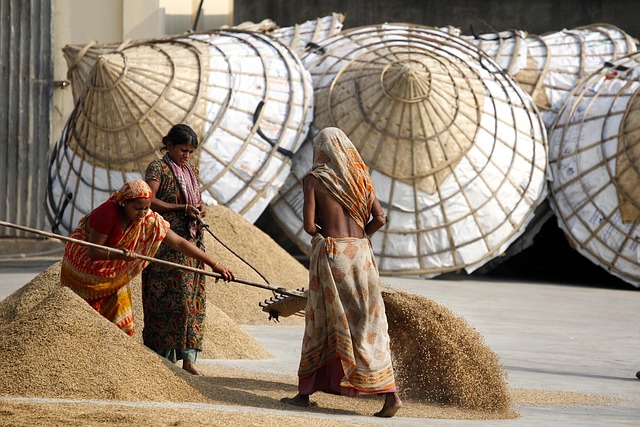
The sports landscape in South Asia is a vibrant tapestry woven with diverse threads of tradition and modern influence, creating a unique cultural fabric in Pakistan and Bangladesh. While both nations share a passion for cricket as their de facto national sport, a deeper dive into their sporting cultures reveals distinct characteristics shaped by historical, geographical, and socio-political factors. This comparative analysis explores how these differences manifest in terms of popularity, media coverage, and the overall sports experience in Pakistan vs. Bangladesh.
Cricket, with its deep roots in the British colonial era, serves as a common ground but is interpreted differently. In Pakistan, cricket is almost a religion, deeply ingrained in the national identity, while in Bangladesh, it holds a special place but shares competition from other popular sports like football and field hockey. The media freedom comparison between the two countries plays a significant role; Pakistan’s more open media environment allows for extensive coverage of cricket events, fostering an intense fan following. Conversely, Bangladesh’s state-controlled media often prioritizes local sports over international cricket, which might contribute to varying levels of interest among the population. Language variations also come into play, with Urdu dominating in Pakistan and Bengali as the primary language in Bangladesh, influencing how sporting narratives are told and consumed.
A striking difference lies in the popularity of traditional martial arts and combat sports. Pakistan boasts a rich history of boxing, karate, and kickboxing, with local heroes gaining international acclaim. These sports benefit from a robust private sector and dedicated training facilities, fostering a competitive culture. Bangladesh, on the other hand, has seen a rise in mixed martial arts (MMA) due to media exposure and celebrity endorsements, attracting a younger audience. The Pakistan-Bangladesh comparison here highlights how economic disparities and cultural trends can shape sporting preferences.
To foster understanding and appreciation of these cultural nuances, visit us at culturaldifferencespakistanbangladesh. By exploring these complexities, we can gain valuable insights into the diverse sports landscape of South Asia, promoting better engagement and mutual respect between these two remarkable nations.
Fan Engagement: Understanding Passion and Participation in Both Nations
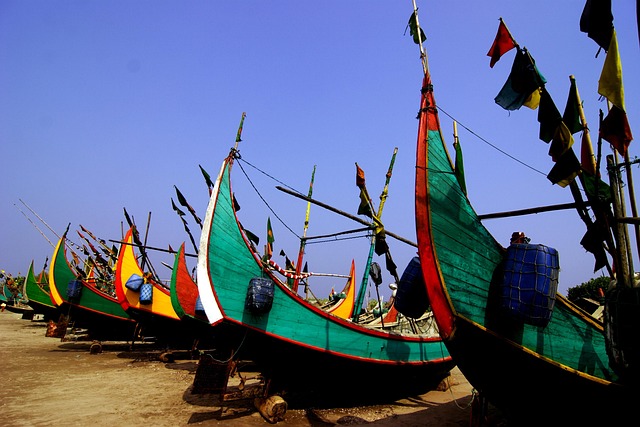
The vibrant sport culture in Pakistan and Bangladesh showcases a fascinating contrast between two neighboring nations, each with its unique passion for athletic pursuits. Fan engagement in these countries is a significant aspect that drives the popularity of sports and creates an electric atmosphere, particularly in cricket, which dominates as the most beloved game. In exploring pakistan vs bangladesh through the lens of fan participation, several key differences emerge, offering insights into how each nation’s cultural fabric influences its sporting landscape.
Pakistan boasts a robust sporting culture, with cricket serving as the nation’s pride and joy. The intense passion for this sport transcends regional boundaries, uniting people from diverse backgrounds. A significant factor in Pakistan’s engaging fan base is the accessibility of media, where free-to-air television broadcasts and extensive digital coverage enable fans to immerse themselves in cricket year-round. This media freedom comparison with Bangladesh highlights a crucial distinction; while both nations share a love for cricket, Pakistan’s more robust media infrastructure allows for greater grassroots engagement. The country’s diverse clothing styles also play a role, with traditional attire adding a vibrant visual element to sporting events, fostering a sense of community and pride among fans.
In contrast, Bangladesh has witnessed a rapid growth in its sport culture, particularly in cricket, over the past decade. However, the nation faces challenges in terms of transportation infrastructure, which can limit fan access to stadiums, especially in remote areas. Despite these hurdles, Bangladeshi fans have embraced technology, with live streaming becoming a popular way to follow international matches and domestic leagues. This shift towards digital engagement is shaping how younger generations interact with sports, potentially influencing future participation rates. Interestingly, regional differences within Bangladesh also manifest in clothing styles during sporting events, showcasing the country’s rich cultural diversity.
To enhance fan engagement, both nations could benefit from investing in transportation infrastructure to improve accessibility to stadiums and venues. Additionally, leveraging digital platforms for interactive content can further strengthen fan connections. For example, social media campaigns that encourage user-generated content and provide exclusive insights behind the scenes have proven successful in Pakistan. In Bangladesh, exploring partnerships with local influencers or celebrities could help engage a wider audience. By understanding these regional differences and implementing tailored strategies, Pakistan and Bangladesh can continue to foster a deep sense of community around sports, ensuring their popularity endures for generations to come.
The comparison between Pakistan and Bangladesh’s sport culture reveals distinct traditions and preferences, shaping their unique sporting landscapes. While cricket holds paramount importance in both nations, Pakistan’s affinity for field hockey and traditional sports like Kabaddi, reflects a rich cultural heritage. Bangladesh, on the other hand, has seen the rise of football and basketball, indicative of evolving trends and diverse fan bases. In terms of popular sports, a deeper analysis highlights the competitive nature of these South Asian countries, as evidenced by their active participation in international tournaments. Fan engagement studies reveal passionate communities, with both nations showcasing high levels of involvement and commitment to their favorite teams and athletes. This authoritative article provides valuable insights into pakistan vs bangladesh sport dynamics, offering practical takeaways for sports governing bodies to foster growth, understand fan behavior, and enhance the overall sporting experience in these culturally rich markets.