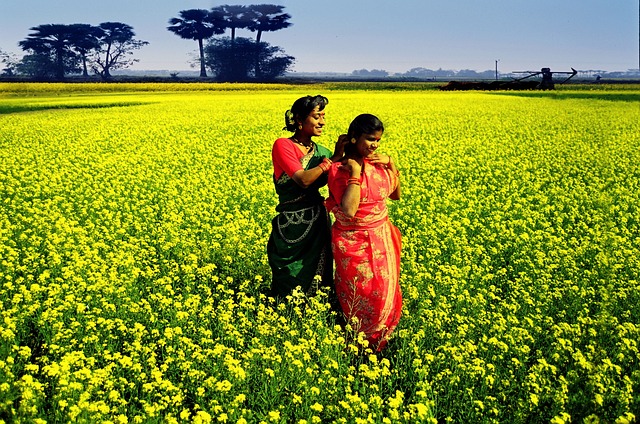
Pakistan and Bangladesh exhibit contrasting architectural landscapes shaped by unique histories and cultural influences. While Pakistan boasts modern icons like the Faisal Mosque and sustainable skyscrapers, Bangladesh highlights traditional structures like Shahi Mosques and integrates green spaces in urban development. Both nations prioritize heritage preservation while adapting to modern needs, with shared insights into balancing growth and sustainability. pakistan vs bangladesh architecture reveals intricate interplay of history, culture, and societal progress, offering valuable lessons for vibrant, environmentally conscious urban development.
Exploring the architectural landscape of a nation offers a unique window into its history, culture, and aspirations. Each country possesses iconic landmarks that reflect its identity, from ancient masterpieces to modern marvels. However, identifying the most significant architectural achievements within diverse nations presents a challenge. This article aims to provide an authoritative guide by delving into the defining architectural milestones of key countries, including Pakistan and Bangladesh, offering insights into their unique cultural evolution. By examining these landmarks, we uncover not just physical structures but symbols of societal progress and artistic expression.
- Unveiling Iconic Structures: A Global Overview
- Pakistan's Architectural Heritage vs Bangladesh's Unique Marvels
- Exploring Cultural Roots Through Landmark Design
- Historical Narratives in Stone: Ancient to Modern Times
- Sustainable Innovations Shaping Urban Landscapes: Pakistan & Bangladesh Comparatively
Unveiling Iconic Structures: A Global Overview

The architectural landscape of a nation is a reflection of its history, culture, and societal evolution. When comparing Pakistan and Bangladesh, two South Asian neighbors with complex historical ties, it becomes evident that their iconic structures tell unique stories. While both countries face challenges such as social issues in Pakistan and economic disparities in Bangladesh, their architectural milestones stand as symbols of resilience and heritage.
In Pakistan, landmarks like the Faisal Mosque in Islamabad embody the country’s rich cultural diversity, showcasing a fusion of Islamic architecture with modern design. This monumental structure, designed by architect Louis Khan, stands tall as a testament to Pakistan’s aspirations for progress while preserving its roots. Similarly, ancient ruins like Mohenjo-daro and Taxila provide glimpses into the ancient history of the Indus Valley Civilization, emphasizing the country’s deep cultural heritage. The economic development of Pakistan has also left its mark with modern marvels like the Pakistan Stock Exchange Building in Karachi, reflecting a balance between tradition and contemporary design.
Bangladesh, on the other hand, boasts architectural gems that have emerged from a history marked by social and political change. The National Parliament House complex in Dhaka is an impressive display of modern architecture, symbolizing the country’s journey towards democracy. The Bangabandhu Memorial Bridge, recently completed, serves as both an engineering marvel and a tribute to national heritage. Moreover, traditional structures like the Sonargon Mosque and its intricate wooden carvings showcase the country’s rich cultural tapestry. Examining these landmarks reveals the social issues in Bangladesh and how they have influenced architectural choices, from preserving historical sites to embracing modern solutions for economic development.
To gain deeper insights, exploring literacy rates in Pakistan vs Bangladesh offers a fascinating comparison. While both countries face challenges, initiatives focused on education have led to architectural shifts, such as the integration of community learning centers within urban landscapes. This highlights the potential for architecture to address social issues and drive positive change across societies. Ultimately, comparing iconic structures from Pakistan and Bangladesh provides an enriching global overview, revealing the intricate interplay between history, culture, and societal development in shaping each country’s unique architectural identity. Find us at literacy rates Pakistan vs Bangladesh to learn more about these fascinating trends.
Pakistan's Architectural Heritage vs Bangladesh's Unique Marvels
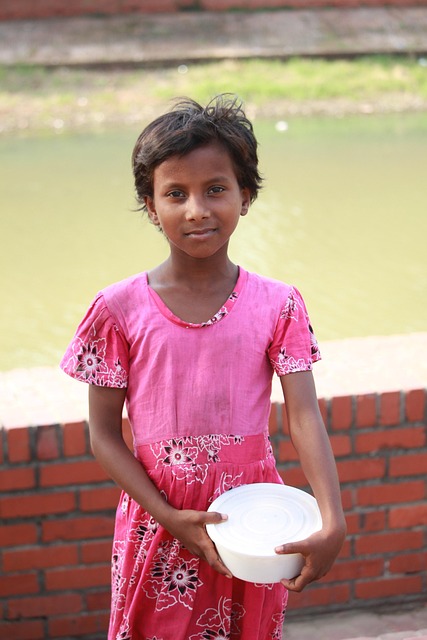
Pakistan and Bangladesh, neighboring countries with rich cultural histories, showcase distinct architectural heritages reflecting their unique social issues, cuisine diversity, and language variations. While Pakistan boasts iconic structures like the Faisal Mosque, symbolizing its Islamic identity and modern architecture, Bangladesh stands out with its traditional architecture, such as the stunning Shahi Mosques, embodying centuries-old craftsmanship. The contrast is even more evident in urban landscapes; Pakistan’s metropolises exhibit contemporary skyscrapers and bustling streets, reflecting a rapid urbanization driven by economic growth and social issues like traffic congestion. In contrast, Bangladesh’s cities blend modern development with historic sites, showcasing a more balanced approach where architecture serves as a connection to its cultural roots.
Language and cuisine also play significant roles in shaping architectural preferences. Pakistan, with its diverse language groups including Urdu, Punjabi, and Pashto, reflects this diversity in regional architectural styles. Similarly, Bangladesh’s numerous ethnic groups contribute to a rich culinary heritage that influences local design aesthetics. These cultural nuances result in unique building forms, decorative motifs, and spatial arrangements that set each country apart. For instance, while Pakistani homes often feature courtyards inspired by Persian architecture, Bangladeshi villages display traditional thatched-roof huts and mud houses reflecting sustainable practices.
The architectural differences between Pakistan and Bangladesh extend beyond aesthetics; they reflect historical trajectories and societal values. Pakistan’s architectural landscape is marked by a blend of modern and historic influences, with colonial-era buildings coexisting alongside contemporary marvels. Bangladesh, on the other hand, prioritizes preserving its traditional architecture while incorporating modern elements, giving visitors a sense of place and cultural continuity. For those interested in exploring these contrasts further, art culture differences and cuisine diversity comparisons offer valuable insights into the intricate tapestry of each country’s architectural heritage. Give us a call at [art culture differences] to delve deeper into these fascinating topics.
Exploring Cultural Roots Through Landmark Design

Exploring Cultural Roots Through Landmark Design offers a unique lens into understanding Pakistan and Bangladesh, two nations with distinct yet intertwined histories and cultural expressions. When examining their significant architectural landmarks, we uncover stories woven into the fabric of each country’s identity. Pakistan’s landscape is characterized by diverse natural resources distribution, reflected in its architecture that ranges from grand mosques inspired by Persian designs to modern structures embracing international styles, all while preserving commonalities found in festivals and traditions. For instance, the Faisal Mosque in Islamabad stands as a symbol of national pride, showcasing the country’s commitment to architectural excellence.
In contrast, Bangladesh, with its complex language variations and rich cultural heritage, has developed distinct architectural styles that narrate its own unique story. Traditional Bengal architecture is evident in iconic structures like the National Museum in Dhaka, which blends elements from Hindu, Buddhist, and Islamic influences. This architectural diversity underscores the country’s ability to absorb and integrate various cultural inputs over centuries. Moreover, education systems in both countries play a role in shaping their architectural landscapes; Pakistan’s emphasis on modern academia has led to innovative designs while Bangladesh’s traditional building practices are preserved in its historical sites.
Comparing these two South Asian nations through the lens of architecture reveals shared similarities and unique divergences. Both have been shaped by their respective natural environments, cultural exchanges, and historical events. Exploring these landmarks is not merely an architectural pursuit but a journey into understanding the soul of a nation, their aspirations, and their evolution. As travelers navigate these landscapes, they find themselves immersed in the very essence of Pakistan and Bangladesh, where every stone tells a story—a testament to the rich tapestry woven by their cultural roots.
To delve deeper into these architectural marvels, look no further than our upcoming festivals and traditions events, where you’ll discover more commonalities and differences that bind these nations together while celebrating their unique identities. Find us at these gatherings for an enriching experience that goes beyond borders.
Historical Narratives in Stone: Ancient to Modern Times
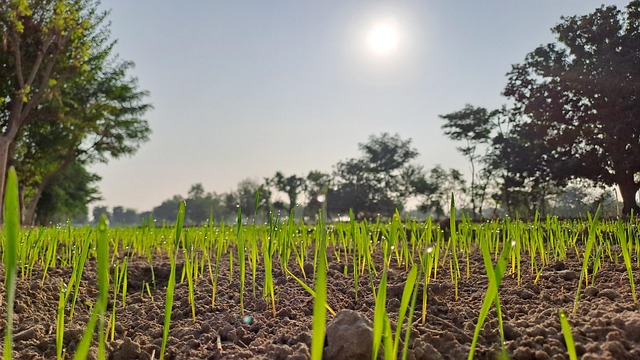
The architectural landscape of South Asia is a rich tapestry woven with threads from ancient civilizations to modern urban centers, reflecting the historical narratives and social issues unique to Pakistan and Bangladesh. From the ancient cities of Mohenjo-daro and Taxila in Pakistan, which boast some of the world’s earliest planned urban settlements, to the magnificent Mughal architecture in both countries, each era has left its mark. Bangladesh, formerly East Pakistan, shares architectural commonalities while also showcasing distinct regional styles influenced by its diverse cultural heritage.
In Pakistan, festivals and traditions deeply rooted in history manifest through architectural marvels like the Badshahi Mosque and the Taj Mahal Palace, symbolizing the country’s rich cultural tapestry. The social issues of urban growth and poverty have prompted modern architecture to embrace sustainability and innovative design solutions. For instance, the city of Karachi has seen the rise of eco-friendly skyscrapers that double as cultural hubs. Bangladesh, too, grapples with rapid urbanization and related social challenges, leading to architectural responses such as the implementation of green spaces within dense urban fabric. The country’s national symbols, like the National Parliament House, reflect a blend of traditional and contemporary aesthetics.
The shared history of Pakistan and Bangladesh, marked by cultural exchanges and political shifts, is evident in their architectural parallels. Festivals, traditions, and even culinary practices have fostered a sense of unity despite geographical boundaries. Visiting these countries offers a unique opportunity to explore this commonalities-in-contrast narrative through their built environments. At sites like the ancient ruins of Polas in Bangladesh or the bustling markets of Lahore, Pakistan, one can witness the evolution of architectural narratives that continue to shape modern urban landscapes. By delving into these historical and contemporary structures, visitors gain a deeper understanding of the social issues and cultural richness that define these South Asian nations.
Urbanization in both countries is not merely about physical transformation but also about preserving heritage while adapting to modern needs. To truly grasp the essence of Pakistan and Bangladesh, one must explore their architectural landmarks, which serve as living testaments to their diverse histories and shared destinies. Visit us at [website] to learn more about these captivating urban narratives and how they continue to evolve in light of social issues and cultural festivals.
Sustainable Innovations Shaping Urban Landscapes: Pakistan & Bangladesh Comparatively
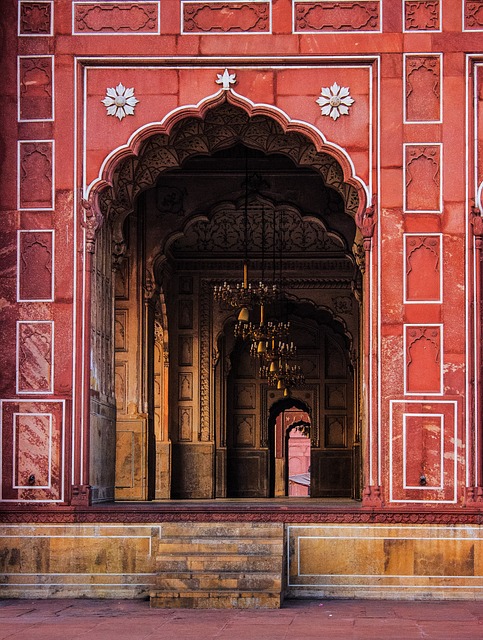
Pakistan and Bangladesh, two neighboring South Asian nations, present a fascinating contrast when it comes to architectural landmarks and their approach to sustainable urban development. While both countries have made strides in modern architecture, their unique historical and cultural backgrounds have led to distinct styles and priorities. This comparative analysis explores how Pakistan vs Bangladesh has shaped their urban landscapes through sustainable innovations, offering insights into the interplay of international relations dynamics, industrial growth, and environmental stewardship.
In terms of architectural achievements, Pakistan boasts iconic structures that reflect its rich heritage and modern aspirations. The country’s capital, Islamabad, is renowned for its meticulously planned layout with government buildings designed by international architects. The Faisal Mosque, with its awe-inspiring dome, stands as a symbol of the nation’s commitment to architectural excellence. Moreover, Pakistan has embraced sustainable practices in recent years, particularly in water supply management. Projects like the Pak-Arab Water Storage and Distribution System showcase innovative solutions for efficient resource utilization, a critical aspect of urban development. Bangladesh, on the other hand, presents a different narrative. Despite rapid industrial growth in Bangladesh, its architectural landscape is deeply rooted in cultural heritage and resilience. The country’s national monument, the National Museum, exemplifies traditional architecture while incorporating modern elements, reflecting the nation’s identity. Bangladesh has also made significant strides in water management, particularly through flood control measures inspired by traditional water channels and sustainable land-use practices.
The international relations dynamics between Pakistan and Bangladesh have influenced architectural exchanges and collaborative projects. Shared rivers and historical ties create a unique context for cross-border cooperation, as seen in joint efforts to manage water resources. This collaboration extends to urban planning, where experts from both nations share insights and innovations. For instance, the development of smart cities initiatives in Pakistan has drawn inspiration from Bangladesh’s successful implementation of digital infrastructure for improved public services. As these countries continue to navigate industrial growth in Pakistan and Bangladesh, a balanced approach that incorporates sustainable architectural practices will be vital. By learning from each other’s successes and challenges, they can create vibrant urban landscapes that are both culturally rich and environmentally resilient.
Through a comprehensive exploration of Pakistan’s architectural heritage and Bangladesh’s unique marvels, we’ve uncovered rich cultural narratives embedded within these countries’ most significant landmarks. Key insights include the power of architecture to tell historical tales, reflect societal values, and showcase sustainable innovations. Comparing Pakistan vs Bangladesh reveals diverse design approaches, with both nations leveraging their respective histories and climates to shape urban landscapes. This global overview underscores the importance of architectural landmarks as cultural repositories, fostering understanding and appreciation across borders. Moving forward, recognizing and preserving these iconic structures will continue to be vital for safeguarding cultural heritage and inspiring future designs, both locally and internationally.