
Pakistan and Bangladesh exhibit contrasting architectural landscapes shaped by history, culture, and societal evolution. Pakistan's architecture boasts iconic landmarks like the Taj Mahal reflecting Islamic and Persian design, while Bangladesh emphasizes modern engineering marvels such as the Bangabandhu Memorial Bridge symbolizing resilience.
Comparing their urban environments reveals:
Distinct cultural influences: Pakistan with Mughal grandeur & modern minimalism; Bangladesh blending Bengali aesthetics with post-independence developments.
Contrasting approaches to heritage preservation and sustainability: Pakistan leveraging UNESCO World Heritage Sites integrated into daily life; Bangladesh focusing on resilient construction techniques post-disaster.
* Impact of political dynamics, natural events, and socio-economic factors on architectural development and conservation efforts.
Exploring pakistan vs bangladesh architectural contrasts offers valuable insights into cultural diversity, national identity, and the evolving role of architecture in these South Asian neighbors.
The global architectural landscape is a vibrant tapestry woven with cultural threads unique to each nation. Exploring these landmarks offers not just aesthetic pleasure but also deepens our understanding of history, values, and societal evolution. However, identifying the most significant architectural marvels across diverse countries presents a formidable challenge. This article aims to navigate this labyrinth by delving into the iconic structures that define Pakistan and Bangladesh, two neighboring nations with rich cultural heritages. By critically examining their most prized architectural landmarks, we’ll uncover the stories these buildings tell about each country’s past, present, and aspirations for the future.
- Unveiling Iconic Structures: A Country-by-Country Journey
- From Historic Mosques to Modern Marvels: Pakistan's Architectural Heritage
- Bangladesh's Built Environment: Traditional and Contemporary Gems
- Cultural Influences Shaping Global Landmarks: East Meets West
- Exploring National Identities Through Architecture: Pakistan vs. Bangladesh
- Preserving and Reviving: The Future of Architectural Landmarks
Unveiling Iconic Structures: A Country-by-Country Journey

In exploring significant architectural landmarks, Pakistan and Bangladesh each boast a unique collection of structures that reflect their history, culture, and aspirations. One notable example in Pakistan is the Taj Mahal, a masterpiece of Mughal architecture that stands as a symbol of love and one of the world’s most iconic monuments. This ancient city, with its blend of Islamic and Persian design, attracts millions annually, showcasing the country’s rich cultural heritage. Bangladesh, too, has its architectural marvels, such as the Bangabandhu Memorial Bridge, dedicated to the nation’s founding father, Sheikh Mujibur Rahman. This modern structure symbolizes resilience and progress, spanning one of the country’s major rivers and connecting communities on both banks.
A comparison between Pakistan and Bangladesh reveals intriguing contrasts in their architectural landscapes. While Pakistan leans towards historic grandeur and majestic monuments, Bangladesh emphasizes modern engineering marvels and structures that embody national values. These differences are influenced by various factors, including geographical diversity, historical events, and socio-political progress. For instance, Bangladesh’s frequent natural disasters and refugee crises have shaped its architecture toward resilience and adaptability, as seen in flood-resistant housing designs and flexible infrastructure. In contrast, Pakistan has made strides in gender equality progress, reflected in the inclusion of women in architectural practices and the design of spaces that cater to diverse communities.
When considering visits, both countries offer unique experiences. Bangladesh’s urban landscapes, like Dhaka, present a blend of traditional and contemporary architecture, while Pakistan’s cities, such as Lahore and Karachi, are renowned for their historical monuments and vibrant cultural scenes. For those interested in exploring these architectural wonders, it is essential to consider the safety and accessibility aspects, including the impact of political situations and natural disasters. Visit us at literacy rates Pakistan vs Bangladesh to gain insights into how these factors influence not just architecture but also community development and cultural preservation.
From Historic Mosques to Modern Marvels: Pakistan's Architectural Heritage

Pakistan’s architectural landscape is a vibrant tapestry woven with historical mosques, colonial-era structures, and modern marvels, reflecting its rich cultural differences from neighboring Bangladesh. The country boasts remarkable diversity in design styles, ranging from the intricate Islamic architecture of the Mughal era to contemporary masterpieces that challenge international relations dynamics.
One of Pakistan’s most iconic landmarks is the Badshahi Mosque in Lahore, a UNESCO World Heritage Site. Its grand dome and towering minarets stand as a testament to the architectural prowess of the Mughal Empire. In contrast, Bangladesh’s architectural heritage is characterized by a blend of traditional Bengali styles and contemporary influences shaped by its refugee crises and rapid urbanization. The Shaar-e-Bangla National Monument in Dhaka exemplifies this fusion, symbolizing the nation’s struggle for independence and modern aspirations.
Exploring these architectural contrasts offers valuable insights into each nation’s historical narrative and societal evolution. For instance, Pakistan’s healthcare infrastructure has been influenced by its architectural heritage, with historical buildings sometimes adapted to serve as medical facilities. Conversely, Bangladesh’s refugee crises have prompted innovative urban planning solutions, reflecting a practical approach to addressing rapid population growth and limited resources.
To fully appreciate these cultural differences, visitors should engage with local experts and explore beyond the popular tourist spots. Visiting us at our international relations forum can provide deeper insights into how architecture reflects and shapes the dynamics between Pakistan and Bangladesh, offering a unique lens for understanding each country’s historical journey and future aspirations.
Bangladesh's Built Environment: Traditional and Contemporary Gems
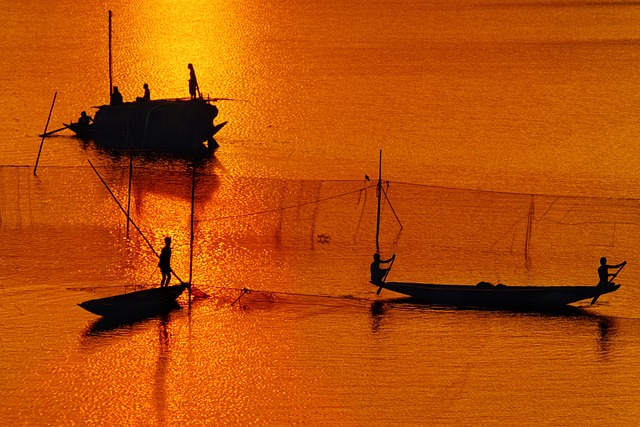
Bangladesh’s built environment stands as a captivating tapestry of traditional architecture woven with contemporary gems, reflecting its rich history and dynamic present. While Pakistan boasts iconic structures like the Faisal Mosque and the Lahore Fort, Bangladesh offers unique architectural landmarks that tell tales of cultural differences and international relations dynamics between these neighboring nations. The country’s diverse landscape is evident in its range of styles, from ancient temples to modern skyscrapers.
One such standout landmark is the Sonargon Temple, a UNESCO World Heritage Site located on the banks of the Karnaphuli River. This 17th-century pagoda, known for its intricate terracotta carvings, showcases a distinct Bengali architectural style that contrasts with Pakistan’s Islamic influences. Similarly, Dhaka’s modern skyscrapers, like the Bangabandhu Shaheed Stadium and the Daka-Arasani Bridge, demonstrate Bangladesh’s commitment to contemporary design while preserving traditional elements. These structures not only serve as significant tourism attractions but also embody the country’s resilience and transformation over time.
Comparing Bangladesh’s architectural landscape with Pakistan reveals intriguing contrasts. While Pakistan’s architecture is heavily influenced by Islamic art and architecture, Bangladesh retains a stronger indigenous character, incorporating local traditions and materials. This distinctiveness attracts global attention and contributes to the countries’ unique identities in the international arena. In terms of gender equality progress, Bangladesh has made notable strides, evident in the design and construction sector, fostering an environment where diverse talent thrives. For instance, the country’s urban planning initiatives prioritize accessibility and inclusivity, ensuring that architectural marvels are not just visual delights but also functional and beneficial to all citizens.
To fully appreciate these landmarks, visitors are encouraged to explore beyond the metropolitan centers. The ancient temples of Rajar Dola and Shantiniketan offer glimpses into Bangladesh’s spiritual heritage, while the charming coastal towns like Cox’s Bazar showcase a blend of natural beauty and local architectural traditions. By immersing oneself in these diverse settings, one gains a deeper understanding of Bangladesh’s cultural landscape and its evolution over centuries, making it an essential destination for architecture enthusiasts and those curious about international relations dynamics through built environments.
Cultural Influences Shaping Global Landmarks: East Meets West

In the global landscape of architecture, cultural influences play a pivotal role in shaping unique landmarks across nations. When comparing two Muslim-majority countries like Pakistan and Bangladesh, we witness a fascinating interplay between traditional roots and modern trends, reflecting their distinct historical journeys and cultural differences. This dichotomy is particularly evident in their urban skylines, where ancient heritage meets contemporary industrial growth.
Pakistan, with its rich cultural tapestry, boasts iconic structures that embody the country’s diverse ethnic backgrounds. From the majestic Badshahi architecture of Lahore to the modern glass facades of Karachi, these landmarks tell stories of empires and revolutions. Bangladesh, on the other hand, presents a blend of traditional Bengali aesthetics and post-independence industrial developments. The National Museum in Dhaka, with its intricate design, showcases the country’s historical narrative while contemporary buildings like the Bangabandhu Memorial Bridge embody their industrial prowess. The contrast between these architectural expressions highlights the cultural differences between Pakistan and Bangladesh, where cuisine diversity, from Biryani to Hilsa, mirrors the varied influences on their built environments.
As these nations navigate the path of economic growth, their architecture reflects a balance between preserving cultural heritage and embracing modernity. Industrial growth in both countries has led to the emergence of innovative designs, particularly in commercial hubs. Pakistan’s evolving cities like Islamabad and Lahore attract global architects, fostering a blend of traditional and contemporary styles. Similarly, Bangladesh’s urban renewal projects showcase a unique blend of local craftsmanship and international design trends. Exploring these nations’ architectural journeys offers valuable insights into how cultural diversity can shape urban landscapes, creating vibrant, dynamic cities that cater to both tradition and progress.
To delve deeper, consider visiting Muslim majority nations where such contrasts and similarities unfold, offering a rich study in global architecture and its cultural underpinnings. Find us at Muslim majority nations to explore more on these fascinating topics.
Exploring National Identities Through Architecture: Pakistan vs. Bangladesh

Pakistan and Bangladesh, both South Asian nations with rich histories, exhibit unique architectural landscapes that reflect their distinct national identities. Exploring these countries through their architecture offers a fascinating glimpse into their pasts and present dynamics. The diverse cultural influences, political changes, and international relations have left an indelible mark on their built environments. For instance, Pakistan’s architecture showcases a blend of Mughal grandeur, colonial-era structures, and modern minimalist designs, often featuring vibrant colors and intricate motifs that symbolize the country’s rich cultural heritage. In contrast, Bangladesh’s architectural narrative is deeply intertwined with its struggle for independence and subsequent nation-building efforts, resulting in a unique fusion of traditional elements with functional, often sustainable design philosophies.
The historical context plays a pivotal role in shaping these countries’ architectural distinctiveness. The partition of British India in 1947, which led to the birth of Pakistan and Bangladesh, had profound effects on urban planning and construction. Pakistan, with its larger landmass, developed diverse architectural styles across regions, from the grand mosques and forts of Sindh to the colonial-era buildings of Punjab. Bangladesh, despite facing challenges like rapid urbanization and natural disasters, has emerged with a robust architectural identity, as seen in its iconic landmark, the Bangladesh National Museum, which stands as a symbol of cultural resilience and independence.
In terms of international relations dynamics, architectural exchanges between Pakistan and Bangladesh have been minimal but significant. The shared history and cultural ties have influenced each other’s design trends, as evidenced in the adoption of certain traditional elements. Moreover, literacy rates—a key indicator of societal progress—have had an indirect impact on architecture; higher literacy has fostered a more discerning approach to design and preservation, leading to initiatives aimed at preserving historical sites and promoting indigenous architectural practices. As these countries continue to navigate globalized worlds, their architectural landscapes will further evolve, reflecting not only changing times but also the unique paths they have taken in shaping their national identities. For those interested in exploring these dynamics deeper, delving into case studies on sustainable urban development or examining how architecture contributes to cultural preservation could prove enlightening. Remember that understanding a nation through its built environment offers valuable insights, especially when considering the complex histories of Pakistan and Bangladesh.
Preserving and Reviving: The Future of Architectural Landmarks
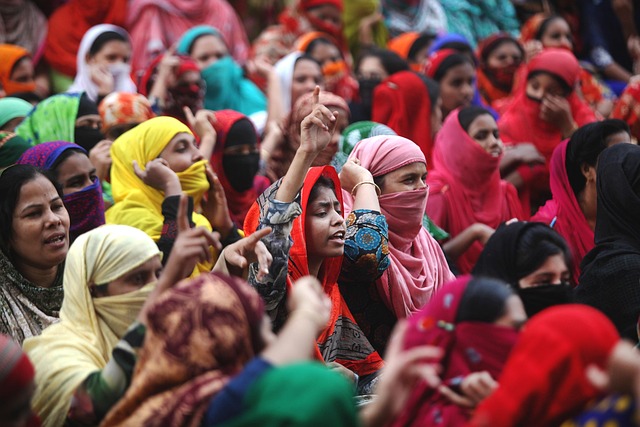
The preservation and revival of architectural landmarks are vital components of cultural heritage for any nation. When comparing countries like Pakistan and Bangladesh, a striking contrast emerges in their respective approaches to safeguarding historical structures, reflecting broader societal values and political landscapes. Pakistan boasts an extensive list of UNESCO World Heritage Sites, including the historic city of Lahore with its majestic Mughal architecture. The country’s strong social security systems have played a pivotal role in maintaining these landmarks, ensuring they remain integral parts of local communities’ daily lives. In contrast, Bangladesh has been actively involved in revamping its architectural heritage, particularly after natural disasters like Cyclone Bhola, which devastated many historical sites. The government’s focus on disaster preparedness and resilient construction techniques ensures that iconic structures are not just preserved but also enhanced for future generations.
The international relations dynamics between these nations further highlight the significance of cultural exchange in landmark conservation. Pakistan and Bangladesh, despite political ups and downs, have collaborated on various heritage projects, fostering mutual understanding and respect. These partnerships often involve sharing knowledge and resources, leading to innovative preservation methods. For instance, the restoration of ancient mosques in both countries has benefited from international expertise, ensuring these landmarks remain functional and aesthetically intact.
Looking ahead, the future of architectural landmarks in Pakistan and Bangladesh hinges on continued political stability and robust social security systems. By prioritizing heritage conservation, these nations can attract global tourists, boost local economies, and foster a sense of national pride. Visiting us at civil society engagement platforms can offer valuable insights into successful preservation models, enabling knowledge-sharing that benefits diverse cultural landscapes, such as those found in Pakistan and Bangladesh.
Throughout this journey exploring architectural landmarks across countries, we’ve uncovered rich cultural narratives and diverse design aesthetics, particularly when contrasting pakistan vs bangladesh. From Pakistan’s historic mosques to Bangladesh’s blend of traditional and contemporary styles, each nation’s architecture reflects its unique identity and history. Key takeaways include the power of architectural heritage in preserving cultural roots, the influence of global trends shaping local landmarks, and the importance of preservation and revival efforts for future generations. By understanding these insights, architects, urban planners, and cultural preservers can better navigate the synthesis of tradition and innovation, ensuring that architectural marvels not only stand as testaments to the past but also shape vibrant futures.