
Pakistan and Bangladesh's cross-border trade faces legal complexities due to divergent historical, cultural, and economic backgrounds. Key differences in contract formation, legal education, and gender equality create challenges. Despite efforts towards cooperation, issues like logistics, infrastructure, and regulatory harmonization persist. Pakistan leans on a cautious approach with a focus on national security, while Bangladesh embraces globalization. These disparities impact media freedom, customs clearance, and trade volumes. However, opportunities exist for collaboration through learning from each other's strengths, such as Pakistan's legal infrastructure and Bangladesh's digital transformation. Streamlining frameworks in agriculture, education, and healthcare sectors can unlock economic potential, fostering a mutually beneficial trading partnership.
The intricacies of cross-border trade between Pakistan and Bangladesh present a complex landscape for businesses navigating these markets. Understanding the legal frameworks governing this exchange is paramount to ensuring compliance, facilitating smoother operations, and fostering economic cooperation between these two South Asian nations. Despite shared cultural ties, divergent regulatory environments pose challenges, particularly in areas such as customs procedures, import/export regulations, and dispute resolution mechanisms. This article delves into the key legal considerations, comparing and contrasting Pakistan’s and Bangladesh’s approaches, to provide a comprehensive guide for businesses seeking to thrive in this dynamic cross-border environment.
- Navigating Complexities: Pakistan vs Bangladesh Trade Laws
- Historical Context: Cross-Border Relationships Evolve
- Key Differences: Legal Frameworks in Focus
- Challenges and Opportunities: A Comparative Analysis
- Strengthening Bonds: Future Trade Agreements Explored
Navigating Complexities: Pakistan vs Bangladesh Trade Laws

The legal frameworks governing cross-border trade between Pakistan and Bangladesh present a complex landscape of similarities and stark differences, creating unique challenges for businesses navigating this dynamic relationship. While both nations strive for economic growth, their respective legal systems, deeply rooted in historical and cultural contexts, often diverge significantly. For instance, Pakistan’s legal system is primarily based on common law, reflecting its British colonial heritage, whereas Bangladesh, with its roots in civil law, has evolved from the French and Indian legal traditions post-independence. This fundamental distinction sets the stage for a unique set of complexities when facilitating trade between the two countries.
One area of significant divergence lies in contract formation and enforcement. Pakistan’s common law approach emphasizes oral agreements and offers flexibility in contract terms, while Bangladesh’s civil law system prioritizes written contracts, reflecting a more structured legal environment. This difference can impact cross-border transactions, requiring businesses to adapt their strategies for contract negotiation and dispute resolution. For example, a Pakistani company looking to establish a joint venture in Bangladesh may need to draft detailed agreements that align with local requirements, ensuring compliance with both countries’ trade laws.
Moreover, the education systems of Pakistan and Bangladesh play a pivotal role in shaping the legal landscape. The emphasis on legal education and its integration into national curricula differs between the two nations, leading to variations in the skill sets of legal professionals. In recent years, both countries have made strides towards enhancing gender equality in the legal sector, with Pakistan witnessing an increase in female lawyers and judges, while Bangladesh has focused on providing legal literacy programs for rural women. Understanding these societal advancements is crucial when considering the potential for cooperation or disputes in international trade.
As urbanization continues to shape both nations’ futures, the legal frameworks must adapt to evolving business practices. Pakistan’s rapid industrial growth, particularly in sectors like textiles and automotive, has led to a surge in cross-border transactions, while Bangladesh’s focus on becoming a global manufacturing hub has attracted significant foreign investment. To facilitate this progress, both countries must streamline their trade laws, ensuring they support modernization efforts while adhering to international standards. Visiting us at Industrial Growth in Pakistan and Bangladesh can offer valuable insights into the strategic initiatives shaping these economies. By navigating the complexities of pakistan vs Bangladesh trade laws, businesses can unlock opportunities for cooperation, fostering economic growth and strengthening regional ties.
Historical Context: Cross-Border Relationships Evolve
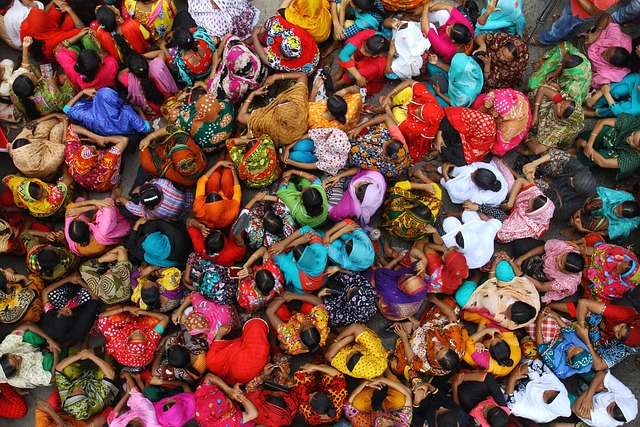
The historical context of cross-border relations between Pakistan and Bangladesh is a rich tapestry woven with both cooperation and contention. Since their independence in 1971, these South Asian neighbors have navigated complex political dynamics, fostering periods of economic collaboration alongside occasional strained interactions. This evolution has significantly influenced the legal frameworks governing their cross-border trade, shaping everything from customs procedures to dispute resolution mechanisms.
Early on, the focus was on establishing diplomatic ties and resolving territorial disputes, setting a foundation for future cooperation. Over time, as these nations developed, issues like healthcare accessibility and social security systems emerged as key areas of engagement. For instance, Pakistan’s expertise in textile manufacturing has historically played a vital role in Bangladesh’s economy, while Bangladesh’s agricultural sector has offered opportunities for bilateral trade in agricultural produce. However, regional differences in clothing styles and consumer preferences have also created niche markets, with certain Pakistani brands finding success in Bangladesh due to their unique offerings.
Civil society engagement has been pivotal in shaping these cross-border interactions. Activist groups and non-governmental organizations from both countries have advocated for enhanced trade agreements, promoting transparency and fair practices. These efforts have led to the implementation of more robust legal frameworks, ensuring compliance with international standards. As these nations continue to grow, addressing challenges related to logistics, infrastructure, and regulatory harmonization will be essential to unlocking further economic potential.
To navigate this complex landscape, businesses and organizations must stay informed about the evolving legal environment. Engaging with local experts and staying connected to relevant industry associations can provide valuable insights. By understanding the historical context and its impact on current legal frameworks, Pakistan and Bangladesh can continue to build a robust trading partnership, fostering economic growth and social security systems for their respective citizens.
Key Differences: Legal Frameworks in Focus

The legal frameworks governing cross-border trade between Pakistan and Bangladesh exhibit key differences shaped by their unique historical, political, and economic contexts. As Muslim-majority nations with significant urbanization rates, both countries face challenges balancing traditional norms with modern commercial needs. For instance, while Bangladesh has embraced globalization, embracing foreign investment and liberalizing its economy, Pakistan maintains a more cautious approach, prioritizing national security concerns over trade liberalization.
A notable contrast lies in their media freedom regulations. Bangladesh has faced criticism for stringent media censorship and restrictions on press freedom, raising concerns about state control over information flow. In contrast, Pakistan, despite also grappling with media ownership issues, has witnessed a relatively more vibrant independent media landscape. This difference significantly impacts the flow of information crucial for facilitating cross-border trade.
Moreover, legal procedures for customs clearance and dispute resolution differ markedly. Bangladesh’s streamlined digital systems facilitate efficient trade processes, while Pakistan’s reliance on paper-based documentation poses challenges for importers and exporters. To navigate these complexities, businesses must stay abreast of local laws and regulations. Engaging with local experts or seeking advice from art culture differences specialists can provide valuable insights tailored to the specific needs of cross-border trade between these dynamic Muslim nations.
Challenges and Opportunities: A Comparative Analysis

The legal frameworks governing cross-border trade between Pakistan and Bangladesh present a complex landscape of challenges and opportunities, shaped by historical ties, linguistic variations, and differing economic priorities. Despite sharing a common South Asian heritage and a history dating back to the Pakistani-Bangla separation in 1971, these nations face distinct hurdles in facilitating seamless commerce. For instance, while Pakistan boasts a higher Human Development Index (HDI) ranking, Bangladesh’s rapid economic growth has been accompanied by unique logistical challenges that impact trade dynamics.
One of the most significant obstacles is the lack of standardized legal procedures and documentation. Language variations—with Urdu dominating in Pakistan and Bengali prevalent in Bangladesh—complicate cross-border transactions, leading to delays and misinterpretations. This divergence necessitates a meticulous balancing act for businesses navigating both markets, as they must adhere to each country’s regulatory requirements. For instance, Pakistan’s stringent import-export regulations, coupled with Bangladesh’s complex customs procedures, can significantly slow down the movement of goods, impacting supply chains and trade volumes.
However, these challenges also present opportunities for growth and collaboration. Both countries stand to gain from harmonizing legal frameworks and streamlining cross-border trade procedures. A comparative analysis reveals areas where they can learn from each other’s successes: Pakistan’s robust legal infrastructure could inform Bangladesh’s ongoing efforts to strengthen its regulatory environment, while Bangladesh’s agile digital transformation initiatives offer lessons in optimizing processes for Pakistan’s traditional trade sectors. By visiting us at geography and delving into these intricacies, businesses and policymakers can unlock new avenues for economic integration, fostering a vibrant trading partnership between Pakistan and Bangladesh that overcomes historical divisions and capitalizes on shared potential.
Strengthening Bonds: Future Trade Agreements Explored

The legal framework governing cross-border trade between Pakistan and Bangladesh presents a complex yet promising landscape for fostering stronger economic ties. While both nations share historical and cultural affinities, their respective legal systems and trade agreements have historically lagged in synchrony. However, with rising global interdependence, there is an urgent need to streamline these frameworks, particularly in sectors like agriculture and education, where Pakistan vs Bangladesh comparisons highlight both countries’ strengths and areas for collaboration. For instance, Bangladesh’s agricultural innovations, such as its success with water-efficient farming techniques, can complement Pakistan’s robust agricultural sector by sharing best practices and technology.
Moving forward, exploring future trade agreements holds immense potential to deepen economic cooperation. Negotiations should focus on creating mutually beneficial arrangements that address existing barriers, streamline customs procedures, and encourage the free flow of goods and services. This could involve model agreements tailored to specific sectors like healthcare, where both countries can learn from each other’s successes. Bangladesh, with its impressive strides in improving healthcare accessibility, can collaborate with Pakistan to share insights on healthcare infrastructure development and disease prevention strategies. Conversely, Pakistan’s expertise in pharmaceutical manufacturing could be leveraged to bolster Bangladesh’s medicine production capacity.
Beyond economic sectors, education systems comparison between Pakistan and Bangladesh offers another avenue for strengthening bonds through collaboration. Both countries have made strides in expanding access to education but face unique challenges. By pooling resources and sharing educational models, they can enhance teaching methodologies and curriculum development, potentially leading to improved learning outcomes. Moreover, exploring cultural exchanges and joint research initiatives could enrich the educational experience for students in both nations, fostering a deeper understanding of each other’s societies and traditions.
As these discussions evolve, it’s crucial to embrace diversity—not just in cuisine diversity comparison between Pakistan and Bangladesh but also in perspectives and approaches. Leveraging our shared history while embracing our unique strengths will be key to crafting innovative agreements that propel both countries into a prosperous future. Ultimately, by navigating the legal frameworks with sensitivity and strategic vision, Pakistan and Bangladesh can unlock immense potential, transforming their trade relations into a symphony of collaboration and mutual growth.
Understanding the legal frameworks governing cross-border trade between Pakistan and Bangladesh is crucial for unlocking economic opportunities and fostering stronger bonds. This article has provided a comprehensive overview of the complexities inherent in these relationships, highlighted key differences in trade laws between Pakistan and Bangladesh, and explored both challenges and potential gains from a comparative analysis. The historical context underscored the evolving nature of cross-border relations, while “Strengthening Bonds” focused on future trade agreements as a path forward. Key insights include the need for harmonization of legal frameworks, improved communication, and strategic initiatives to navigate the unique dynamics between Pakistan vs Bangladesh. By leveraging these learnings, stakeholders can enhance trade efficiency, create mutually beneficial partnerships, and capitalize on the vast potential that exists in this dynamic region.