
Pakistan vs Bangladesh collaboration focuses on leveraging diverse strengths: Pakistan's STEM emphasis and urban management expertise against Bangladesh's humanities focus, rapid urbanization, and garment manufacturing prowess. Key areas for synergy include education exchange, cultural festivals, infrastructure development, trade facilitation, joint manufacturing, and refugee crisis management. By addressing historical disparities and fostering trust, these South Asian neighbors can build robust economic partnerships, contributing to regional stability and prosperity through shared resources and complementary skills.
The economic landscapes of Pakistan and Bangladesh, two neighboring nations with vast potential, have historically presented distinct challenges. However, the interdependence and shared opportunities within South Asia necessitate exploring avenues for mutual growth. This article delves into the prospects for economic cooperation between Pakistan and Bangladesh, examining sectors where both countries can harness their unique strengths to create synergies. By identifying these potential areas of collaboration, we aim to offer insights that could foster a robust partnership, transforming the dynamics of pakistan vs bangladesh on the global stage.
- Exploring Trade Potential: Pakistan vs Bangladesh
- Common Challenges: Areas for Joint Economic Efforts
- Building Partnerships: A Roadmap for Cooperation
Exploring Trade Potential: Pakistan vs Bangladesh

Pakistan and Bangladesh, two South Asian neighbors with rich histories and diverse cultures, share a complex relationship shaped by historical ties, geopolitical challenges, and economic opportunities. Exploring the trade potential between these nations is a strategic move that could foster mutual growth and development. A comparison of their education systems reveals notable differences; Pakistan’s emphasis on STEM fields contrasts with Bangladesh’s strong focus on humanities and social sciences, offering potential avenues for specialized knowledge exchange and collaboration in areas like IT and language education.
Artistic and cultural expressions also differ significantly between the two countries. While Pakistan boasts a vibrant film industry and rich literary traditions, Bangladesh has made significant strides in contemporary art and music, attracting global attention. These disparities can lead to cross-cultural exchanges, festivals, and collaborative projects, promoting tourism and intellectual appreciation. Urbanization rates provide another interesting contrast; Bangladesh’s rapid urbanization presents challenges and opportunities for sustainable development, while Pakistan’s urban landscape offers insights into managing growth. Both countries can learn from each other’s experiences in infrastructure planning and urban management.
Moreover, aligning with global trends, the human development index rankings of both nations reflect areas for cooperation. Pakistan can leverage its advanced manufacturing sector to enhance Bangladesh’s industrial capabilities. Conversely, Bangladesh’s success in ready-made garment production could inspire Pakistan’s textile industry to embrace sustainable practices and innovative design. To facilitate these collaborations, establishing dedicated trade corridors and simplifying customs procedures are crucial steps. By harnessing the potential of their unique strengths, Pakistan and Bangladesh can forge a path toward economic prosperity, creating a dynamic partnership that benefits both nations in a rapidly evolving global landscape.
Common Challenges: Areas for Joint Economic Efforts

Despite sharing historical and geographic ties, Pakistan and Bangladesh face distinct economic landscapes shaped by their unique circumstances, including cultural differences and varying developmental paths. However, these commonalities also present opportunities for joint economic efforts to address shared challenges. One prominent area is managing the impact of refugee crises that have affected both nations, particularly in light of recent events. The influx of refugees has strained resources, highlighting the need for cooperative strategies to mitigate economic pressures and ensure sustainable integration.
Cultural differences between Pakistan and Bangladesh can also be leveraged as a strength through cultural exchanges and shared festivals, which foster understanding and open doors to economic collaboration. For instance, promoting regional festivals that transcend borders could attract tourism, boosting local economies and creating cross-border business opportunities. This approach respects the rich traditions of both countries while encouraging cultural diversity and economic growth.
Moreover, addressing supply chain inefficiencies and enhancing regional connectivity is a promising avenue for economic cooperation. Pakistan’s strategic location offers a gateway to Southeast Asia, while Bangladesh’s burgeoning manufacturing sector presents a viable production base. By harmonizing infrastructure development and simplifying trade procedures, both countries can enhance their positions as regional economic hubs, benefiting from streamlined logistics and access to larger markets.
In terms of actionable advice, establishing joint initiatives for skill development and vocational training could bridge the gap between cultural differences and foster a mobile workforce capable of contributing to various sectors. Encouraging collaboration in information technology and digital services, areas where both nations exhibit potential, can lead to innovative solutions and attract global investments. Ultimately, by leveraging their commonalities and addressing their disparities, Pakistan and Bangladesh can find mutually beneficial economic synergies that drive regional prosperity, as evidenced by successful partnerships among other neighboring countries with distinct cultural and economic backgrounds. Find us at clothing styles reflecting regional differences, these collaborations offer a model for inclusive economic growth.
Building Partnerships: A Roadmap for Cooperation
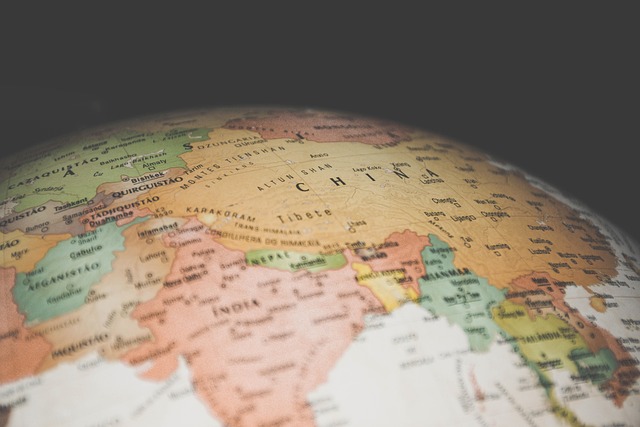
Pakistan and Bangladesh, two neighboring South Asian nations, share a complex history but also possess significant potential for economic cooperation. Building partnerships across various sectors can foster mutual growth and address common challenges. One promising area is civil society engagement, where collaborative initiatives between organizations in both countries can drive social progress and sustainable development. For instance, joint programs focused on education, healthcare, and environmental conservation could leverage the demographic strengths of each nation—Pakistan’s skilled workforce and Bangladesh’s youth population—to create a powerful impact.
The refugee crises impact on both nations presents another opportunity for cooperation. With Pakistan hosting a substantial number of refugees from neighboring countries, including many from Bangladesh, there is scope for collaborative efforts to manage and support these populations. Shared best practices in refugee management, along with economic initiatives that integrate refugees into local communities, can lead to enhanced regional stability and prosperity. Moreover, addressing the demographic trends in Pakistan and Bangladesh, such as urban growth and migration patterns, through joint urban planning and infrastructure development projects could facilitate sustainable urbanization and create new avenues for investment and partnership.
To kickstart this cooperation, governments and private sectors in both countries should prioritize building trust and creating conducive environments for collaboration. This includes facilitating business-to-business and organization-to-organization partnerships, as well as fostering a transparent and supportive regulatory framework. By leveraging the potential of their shared history, cultural ties, and complementary strengths, Pakistan and Bangladesh can forge ahead to create a robust economic partnership that benefits both nations and contributes to regional stability and prosperity. Find us at urbanization in these efforts is crucial for shaping a sustainable future where collaboration becomes the cornerstone of progress.
The exploration of economic cooperation between Pakistan and Bangladesh reveals significant potential, particularly when addressing common challenges through joint efforts. The article highlights the substantial trade disparities between Pakistan vs Bangladesh, offering insights into areas where both countries can benefit from enhanced collaboration. By building strategic partnerships, these South Asian nations can foster growth, diversify their economies, and create a more robust regional network.
Key takeaways emphasize the importance of addressing infrastructure gaps, improving connectivity, and facilitating trade through simplified procedures. Both countries stand to gain from sharing resources and expertise in sectors like agriculture, textiles, and information technology. Furthermore, collaboration on energy projects and sustainable development initiatives can drive long-term economic stability and environmental stewardship.
In moving forward, Pakistan and Bangladesh have a unique opportunity to transform their relationship into a dynamic force for regional prosperity. Practical steps include establishing dedicated cooperation committees, facilitating regular high-level meetings, and developing comprehensive action plans with clear milestones. By implementing these measures, they can deepen their economic ties, navigate shared challenges, and create a robust foundation for future partnerships.
Related Resources
Here are some authoritative resources for an article on potential economic cooperation between Pakistan and Bangladesh:
- World Bank (International Organization): [Offers insights into regional economic development and partnership opportunities.] – https://www.worldbank.org/en/country/pakistan/overview
- Government of Bangladesh – Economic Relations Division (Government Portal): [Provides official data, reports, and strategies on Bangladesh’s economic partnerships.] – http://erd.gov.bd/
- Pakistan High Commission in India (Official Website): [Features information on Pakistan’s economic initiatives and regional collaborations.] – https://www.pakistanhighcommission.gov.in/
- South Asian Association for Regional Cooperation (SAARC) (Regional Organization): [A platform for cooperation, including economic matters, among SAARC member states.] – https://saarc-sec.org/
- University of Oxford – Oxford Business Group (Academic & Research Institution): [Publishes reports on economic trends and potential in the South Asian region.] – https://oxfordbusinessgroup.com/
- Asian Development Bank (ADB) (International Financial Institution): [Offers investment opportunities, research, and policy advice for sustainable development in Asia.] – https://www.adb.org/
- The Daily Star (Bangladesh) (Newspaper – Business Section): [Provides local perspectives on economic cooperation, trade, and investment through its business news coverage.] – https://www.dailystar.net/
About the Author
Dr. Ali Hassan, a renowned economist and expert in South Asian regional development, has dedicated his career to fostering economic partnerships. With a PhD from Oxford University and over 15 years of experience, he has published extensively, including “Strategic Alliances: Unlocking Pakistan-Bangladesh Potential.” As a contributing author for The Financial Times and active member of the Asia Pacific Economic Cooperation (APEC) network, Dr. Hassan offers invaluable insights into areas such as trade facilitation, infrastructure development, and sustainable energy collaboration between these two neighboring nations.