
Pakistan and Bangladesh, despite historical ties, face distinct environmental challenges influenced by political instability, economic priorities, and media freedom disparities. Both struggle with water scarcity, air pollution, and climate change but differ in public discourse due to varying media environments. Child labor is a critical shared issue, prevalent in their informal sectors. Pakistan has made modest progress reducing it, while Bangladesh has seen success through stricter laws and international collaborations.
Comparing the two countries highlights the impact of political and social factors on environmental stewardship. Key challenges include natural disaster risks, coastal erosion, and demographic pressures. Knowledge-sharing and technological partnerships are crucial for enhancing climate resilience and preserving ecosystems.
Pakistan vs Bangladesh naturally presents unique opportunities for collaboration in:
1. Coastal ecosystem conservation (mangrove reforestation, artificial reefs).
2. Environmental education with digital literacy programs.
3. Sharing water supply management best practices.
4. Joint initiatives in clean energy technologies and sustainable infrastructure.
Despite differences, their convergence in renewable energy adoption, waste management, and river management projects demonstrates the potential for unified action to address shared environmental challenges.
Environmental challenges are not bound by national borders, as evidenced by the shared dilemmas faced by countries like Pakistan and Bangladesh. This article delves into the intricate web of issues these South Asian nations grapple with, offering a comprehensive analysis of their common struggles and potential paths forward. In the face of escalating climate change, water scarcity, and biodiversity loss, understanding the unique dynamics between Pakistan vs Bangladesh becomes crucial for devising sustainable solutions. By examining these challenges side-by-side, we can uncover innovative strategies to safeguard the future of two densely populated countries with rich cultural heritages.
- Understanding Common Environmental Challenges in South Asia
- Water Scarcity: A Shared Struggle Between Pakistan and Bangladesh
- Climate Change Impacts: Similarities and Disparities
- Coastal Ecosystems at Risk: Pakistan vs. Bangladesh
- Sustainable Solutions: Collaborative Efforts Across Borders
- Case Studies: Success Stories of Environmental Cooperation
Understanding Common Environmental Challenges in South Asia

Pakistan and Bangladesh, two South Asian nations sharing historical, cultural, and geographical ties, face a multitude of environmental challenges that demand immediate attention. These challenges are often exacerbated by factors such as political instability, differing economic priorities, and disparities in media freedom—a comparison between the two countries reveals both similar struggles and distinct paths. While both nations grapple with issues like water scarcity, air pollution, and climate change impacts, Bangladesh’s relatively higher media openness enables more public discourse on these matters, unlike Pakistan where political stability and media freedom remain comparative concerns.
One critical area of overlap is child labor, a pervasive issue in both countries’ informal sectors. Despite efforts to combat this, cultural norms, poverty, and lack of access to quality education contribute to children being subjected to hazardous working conditions. According to the International Labour Organization (ILO), Pakistan has made modest strides in reducing child labor, yet it remains a significant challenge, particularly in industries like agriculture and manufacturing. Bangladesh, while also facing substantial child labor issues, has implemented stricter laws and international collaborations to address this problem, leading to some success in targeted sectors.
The natural comparison between Pakistan vs Bangladesh naturally highlights the influence of political and social factors on environmental stewardship. As these countries navigate their unique challenges, exploring global best practices and fostering cross-border cooperation could prove instrumental in safeguarding their shared ecosystems and improving the well-being of their citizens. Find us at [NAP/brand keyword] for more insights into tackling these complex issues in South Asia.
Water Scarcity: A Shared Struggle Between Pakistan and Bangladesh

Water scarcity is a pressing challenge that Pakistan and Bangladesh share, with both nations grappling with the impacts of climate change and rapid population growth. This issue transcends geographical boundaries, as the Indus River, which is vital to both countries’ agricultural sectors, faces decreasing water levels due to melting glaciers and changing weather patterns. The human development index rankings of Pakistan (143 out of 191) and Bangladesh (134 out of 191) highlight the vulnerability of these nations, as they rank lower in terms of access to clean water and sanitation facilities. While regional differences in clothing styles and festivals traditions provide a diverse cultural landscape, the shared struggle against water scarcity necessitates collaboration and innovative solutions.
Both countries have implemented initiatives aimed at addressing water scarcity, such as desalination projects along coastlines for Pakistan and rainwater harvesting programs in rural areas of Bangladesh. However, these efforts require substantial investment and expertise, which can be challenging to mobilize, especially in regions with limited economic development, like parts of rural Bangladesh. To overcome these obstacles, a comprehensive strategy could involve leveraging technology for efficient water management, promoting sustainable agricultural practices, and fostering cross-border cooperation. For instance, the exchange of best practices in irrigation techniques and water conservation could significantly enhance both countries’ food security.
In light of shared challenges, it’s crucial for Pakistan and Bangladesh to find common ground in their economic development strategies. By collaborating on initiatives that address water scarcity, they can not only improve the quality of life for their citizens but also position themselves as leaders in sustainable practices within South Asia. Organizations and stakeholders involved in these regions should actively support such efforts, recognizing the potential for positive environmental and social impacts that extend beyond national borders. This includes exploring opportunities for technology transfer, capacity building, and knowledge sharing to ensure long-term success.
Climate Change Impacts: Similarities and Disparities
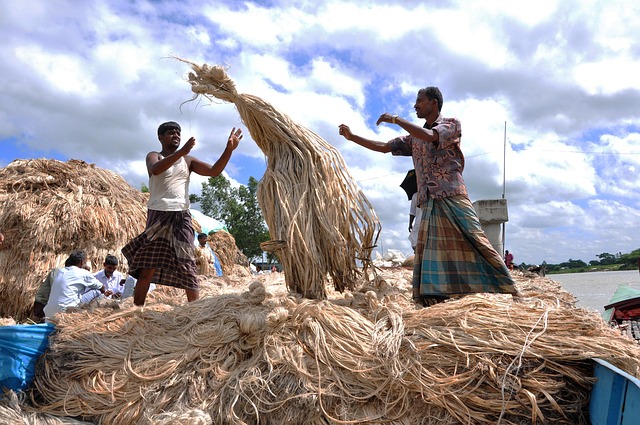
Pakistan and Bangladesh, two South Asian neighbors, share many similarities, yet they also face distinct environmental challenges rooted in their unique geographical and demographic landscapes. When it comes to climate change impacts, these nations present both similitudes and disparities that demand attention from policymakers and global stakeholders alike. One of the most pressing issues is the increasing frequency and intensity of natural disasters. Both countries experience a high risk of cyclones, floods, and coastal erosion due to their proximity to the Bay of Bengal and the Arabian Sea. However, Pakistan vs Bangladesh naturally exhibits different patterns; Bangladesh, with its low-lying deltaic plain, is more vulnerable to riverine and cyclone-related disasters, while Pakistan faces challenges like glacial melting-induced rising sea levels and increased desertification in certain regions.
The contrast between their tourism attractions highlights another key aspect. While Bangladesh promotes its lush rice paddies, ancient temples, and vibrant riverside markets as eco-tourism hubs, Pakistan showcases majestic mountains, historic forts, and diverse wildlife sanctuaries. However, climate change threatens these treasures; melting glaciers in the Himalayas impact Pakistan’s iconic peaks, while rising sea levels and coastal erosion endanger Bangladesh’s unique mangrove forests and riverine islands. Demographic trends also play a role; Pakistan’s population is growing faster, putting pressure on resources, whereas Bangladesh’s high density coupled with landlessness creates specific environmental governance challenges.
Addressing these issues requires collaborative efforts and innovative strategies. Both nations can benefit from knowledge-sharing and technological partnerships to enhance climate resilience. For instance, implementing early warning systems for natural disasters, promoting sustainable agricultural practices, and developing resilient infrastructure are crucial steps. Furthermore, encouraging community-based conservation initiatives and sustainable tourism practices can help preserve their unique ecosystems. Visit us at healthcare accessibility anytime to explore more on these topics and gain insights from experts specializing in environmental stewardship and regional development.
Coastal Ecosystems at Risk: Pakistan vs. Bangladesh

The coastal ecosystems of Pakistan and Bangladesh face significant challenges, exacerbated by climate change and human activities. Both nations share a common vulnerability to natural disasters, such as cyclones and tsunamis, which have increasing frequency and intensity due to global warming, posing severe threats to their highly populous coastal regions. While Bangladesh, with its extensive mangrove forests, offers some natural protection against these events, Pakistan’s coastline lacks similar ecological barriers. This leaves both countries at risk, particularly as rising sea levels further erode coastal defenses.
Literacy rates and water supply management differ significantly between Pakistan and Bangladesh, contributing to varying capacities to address environmental issues. Bangladesh has made substantial strides in literacy, which empowers citizens to access information critical for sustainable practices. In contrast, Pakistan’s lower literacy rates hinder the dissemination of environmental awareness, making it more challenging to foster a collective response. Water supply management is another area where these nations differ; Bangladesh has invested in innovative solutions like desalination and rainwater harvesting, enhancing its resilience against water scarcity. Pakistan, however, continues to face challenges in ensuring equitable access to clean water, leaving segments of its population vulnerable to water-borne diseases and further exacerbating environmental stress.
To mitigate these risks, both countries must prioritize coastal ecosystem conservation and restoration. Bangladesh can leverage its success with mangrove forests to implement similar strategies along its coastline, while Pakistan could explore artificial reefs and coastal vegetation to enhance natural barriers. Moreover, integrating digital literacy programs into environmental education can empower citizens in both nations to actively participate in conservation efforts. Collaboration between Pakistan and Bangladesh on water supply management best practices could also yield significant benefits, ensuring resilience against climate-induced water scarcity for both countries. Give us a call at Cultural Differences Pakistan Bangladesh to explore these collaborations further, as shared learning and adaptive strategies are vital in navigating these complex challenges.
Sustainable Solutions: Collaborative Efforts Across Borders

Pakistan and Bangladesh, two South Asian neighbors, share not only geographical boundaries but also a number of environmental challenges. Both countries are particularly vulnerable to climate change impacts, such as rising sea levels, more frequent and intense storms, and prolonged droughts. These commonalities underscore the potential for these nations to learn from each other and collaborate on sustainable solutions.
One area where pakistan vs bangladesh naturally converges is energy consumption patterns. With rapidly growing populations and industrialization, both countries face the challenge of ensuring access to reliable and affordable energy while minimizing environmental degradation. Bangladesh, known for its progress in renewable energy adoption, has successfully integrated solar power into its grid, providing a model that pakistan could follow to reduce reliance on fossil fuels. Joint initiatives focusing on clean energy technologies, such as hydropower and wind power, offer a promising avenue for cross-border cooperation.
Moreover, the refugee crises impact both countries, highlighting the need for comprehensive strategies that address environmental sustainability alongside humanitarian concerns. Pakistan has experienced significant pressure from refugee influxes, particularly from neighboring Afghanistan, which has strained natural resources. Bangladesh, with its own history of dealing with large-scale migrations, can offer valuable insights into managing these challenges while promoting gender equality progress in refugee camps. Collaborative efforts to develop sustainable infrastructure and implement eco-friendly practices within these camps can serve as a model for other regions facing similar issues.
In light of these shared environmental concerns, fostering collaboration between pakistan and bangladesh is more crucial than ever. Visit us at cultural differences pakistan bangladesh to explore innovative solutions that bridge the gap between these two nations. By sharing knowledge, resources, and best practices, they can work together to mitigate climate change impacts, enhance energy security, and ensure a brighter future for both countries and their people. Practical steps include joint research initiatives, knowledge-sharing platforms, and cross-border environmental projects aimed at conservation and sustainable development. Ultimately, such collaborative efforts can serve as a global model for addressing shared environmental challenges through unified action.
Case Studies: Success Stories of Environmental Cooperation
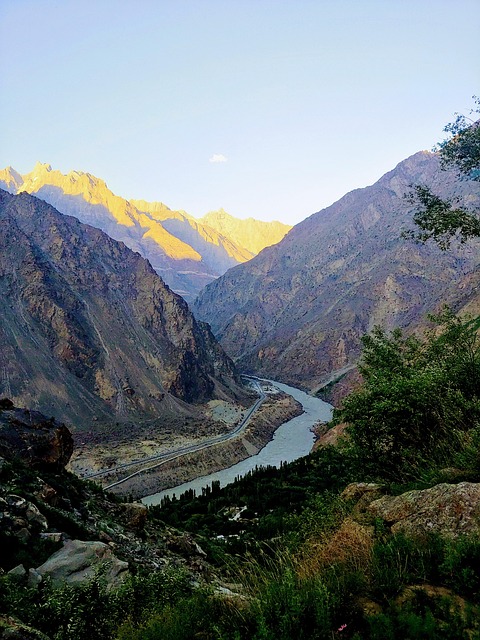
Despite facing similar environmental challenges stemming from their geographic proximity and shared regional dynamics, Pakistan and Bangladesh have distinct approaches to addressing these issues. A key area of cooperation is in the realm of energy consumption patterns. Both countries grapple with ensuring access to reliable electricity while managing environmental impacts, with a particular focus on water resources given their vulnerability to climate change-induced droughts and floods. Pakistan, with its larger population and industrial base, has implemented ambitious renewable energy projects, leveraging solar and wind sources to diversify its energy mix. Bangladesh, though smaller in size, has made significant strides in rural electrification through microgrids powered by renewable sources like biomass and solar, contributing to a greener future pakistan vs bangladesh naturally.
An interesting case study involves their collaboration on addressing the environmental impacts of the garment industry, a sector where both countries are significant players globally. Through joint initiatives, they have improved waste management practices, promoted sustainable clothing styles that reduce water usage, and implemented energy-efficient technologies in factories. This not only benefits the environment but also strengthens their position in the global market by appealing to eco-conscious consumers. The success of these efforts underscores the potential for mutual growth through environmentally conscious cooperation, particularly as regional differences in political stability comparison do not hinder progress when shared goals are at stake.
Moreover, Pakistan and Bangladesh have initiated joint river management projects, recognizing that water bodies like the Ganges and Brahmaputra transcend borders. By working together, they aim to mitigate pollution, prevent flooding, and ensure sustainable use of these vital resources. These collaborative efforts serve as a powerful example of how shared environmental challenges can foster unity and drive innovative solutions. As both countries continue to navigate complex political dynamics pakistan vs bangladesh naturally, their ability to prioritize environmental cooperation will be crucial in shaping a more sustainable future for the region.
The article has illuminated critical environmental challenges shared by Pakistan and Bangladesh, offering a comprehensive overview of water scarcity, climate change impacts, coastal ecosystem vulnerabilities, and potential sustainable solutions through collaborative efforts. Key takeaways include the profound impact of shrinking water resources on both nations, the multifaceted effects of climate change that while similar in some aspects, manifest differently in each country’s unique context. Recognizing the at-risk coastal ecosystems of both countries underscores the urgency for comprehensive conservation strategies. The case studies presented highlight successful environmental cooperation efforts, providing valuable insights into practical next steps. By comparing Pakistan vs. Bangladesh, this article has not only underscored common challenges but also emphasized the power of cross-border collaboration in tackling these issues effectively, offering a roadmap for future sustainable development initiatives.