Pakistan and Bangladesh, neighboring South Asian countries, exhibit distinct political landscapes shaped by history. Pakistan, a federal republic with military influences, faces regional conflicts and economic instability. Bangladesh, post-independence in 1971, maintains stability but limits opposition. Language and cultural identities differ, as do agricultural sectors. Despite differences, shared festivals reveal cultural richness.
Key distinctions include media freedom (Bangladesh open, Pakistan restricted), culinary diversity, and social security systems. Pakistan struggles with democratic institutions, economic volatility, and gender disparities, while Bangladesh outperforms in HDI rankings due to its diverse fashion industry and manufacturing hub status.
Geopolitical tensions impact foreign policies: Pakistan focuses on strategic alliances with China, Bangladesh engages Western nations and regional organizations. Both face refugee crises straining infrastructure. Despite challenges, shared interests in agricultural innovation emerge.
The future of pakistan vs bangladesh development hinges on strengthening democratic institutions, addressing socio-economic disparities, and effective governance for stability and prosperity in a complex regional environment.
The political landscapes of Pakistan and Bangladesh, two neighboring South Asian nations, have been the subject of intense interest due to their significant regional and global implications. The dynamics between these countries, particularly in recent years, offer a compelling study for understanding geopolitical shifts in Asia. Comparing and contrasting their political climates—from governance structures to foreign relations—is crucial for gauging the stability and future trajectory of both nations. This article aims to provide an in-depth analysis, shedding light on the unique challenges and opportunities that shape Pakistan vs Bangladesh, offering valuable insights for policymakers and enthusiasts alike.
- Political Systems: A Comparison – Pakistan vs Bangladesh
- Current Governments: Leadership and Performance
- Social and Economic Dynamics: Similarities and Differences
- Foreign Relations: Global Engagement and Alliances
- Challenges and Conflicts: Domestic and Regional Issues
- Political Evolution: History and Future Projections
Political Systems: A Comparison – Pakistan vs Bangladesh
Pakistan and Bangladesh, two neighboring nations with a shared history, find themselves at different junctures within their political landscapes. While both countries have experienced periods of democracy and military rule, their political systems exhibit distinct characteristics that shape their respective paths. This comparison delves into the unique features of each nation’s politics, highlighting their differences in pakistan vs Bangladesh.
Pakistan, a federal parliamentary republic, operates with a multi-party system where power is distributed among various regional parties. The country’s political scene has been marked by a struggle between these parties for control at both the federal and provincial levels. In contrast, Bangladesh, also a parliamentary democracy, has a more dominant single party—the Awami League—which has held significant power since its independence in 1971. This dynamic creates a stark contrast in terms of political stability and opposition participation between pakistan vs Bangladesh. Furthermore, language plays a crucial role in their politics; Pakistan’s official languages include Urdu and English, while Bengali is the principal language in Bangladesh, fostering distinct cultural identities that influence political ideologies.
The agriculture sector, a cornerstone of both economies, reflects these differences. Pakistan boasts a diverse agricultural landscape, with wheat and rice as primary crops, catering to domestic needs and global markets. Bangladesh, on the other hand, focuses extensively on aquaculture and rice production, making significant strides in food security. These variations highlight the unique approaches each country takes to address its political and economic challenges.
Exploring festivals, traditions, and commonalities offers a glimpse into the hearts of these nations. While they may differ in political systems, pakistan vs Bangladesh share vibrant cultural expressions that unite their people. For instance, both countries celebrate Independence Day with fervor, commemorating their hard-fought freedom. Finding us at such events provides an opportunity to witness firsthand the rich tapestry of these nations’ political and cultural identities. Ultimately, understanding these distinctions is essential for comprehending the unique trajectories of Pakistan and Bangladesh in the global arena.
Current Governments: Leadership and Performance
The political landscapes of Pakistan and Bangladesh, two South Asian neighbors with distinct histories, exhibit notable differences in leadership and performance. Pakistan, a federal parliamentary republic, has witnessed a turbulent political journey marked by military interventions and democratic interruptions. The current government, led by Prime Minister Shehbaz Sharif since 2022, faces challenges including economic instability and regional tensions. Bangladesh, on the other hand, has developed a more consistent democratic trajectory since its independence in 1971. Sheikh Hasina, who returned to power in 2008, has steered the country towards significant progress in social security systems and media freedom, albeit with occasional controversies.
A key area of divergence between Pakistan vs Bangladesh lies in their approaches to media freedom. Bangladesh has made notable strides in this regard, fostering an environment conducive to free expression and diverse media outlets. This has been instrumental in promoting transparency and accountability, despite periodic concerns over government influence. In contrast, Pakistan’s media landscape remains fraught with challenges, including self-censorship due to political pressure and legal restrictions that hamper journalistic integrity. Another interesting comparison is the cuisine diversity; Bangladesh’s culinary heritage reflects its multicultural identity, boasting a fusion of regional and ethnic flavors, while Pakistan’s diverse food culture showcases influences from various historical empires.
Both nations have implemented social security measures but differ in their structures and effectiveness. Bangladesh’s Social Security Institute provides comprehensive benefits to citizens, including pensioners and vulnerable groups, whereas Pakistan’s social safety nets have been more fragmented, with programs targeting specific demographics. As these countries navigate their unique political climates, focusing on strengthening democratic institutions, upholding media freedom, and refining social security systems could be pivotal for fostering sustainable economic development. For in-depth insights and expert guidance tailored to these regions, visit us at Economic Development Pakistan Bangladesh.
Social and Economic Dynamics: Similarities and Differences

Pakistan and Bangladesh, both South Asian nations with rich cultural heritages, share striking similarities yet exhibit distinct social and economic dynamics. A crucial aspect of their divergence is reflected in the human development index (HDI) rankings, where Bangladesh consistently outperforms Pakistan. This gap can be attributed to various factors, including regional differences in clothing styles, which serve as a tangible indicator of cultural variation. While Pakistan’s fashion scene has been known for its traditional and conservative attire, Bangladesh has embraced a more diverse range of garments, influenced by its vibrant textile industry and global trends.
The economic landscapes of these countries also present notable contrasts. Bangladesh, often hailed as one of the world’s fastest-growing economies, has made significant strides in the garment and textile sector, becoming a global manufacturing hub. This success has lifted millions out of poverty but has also led to concerns over labor rights and working conditions. In contrast, Pakistan faces economic challenges marked by high inflation, unemployment, and a volatile stock market. However, Pakistan boasts a more diverse economy with robust agricultural, services, and emerging technology sectors.
Socially, both nations grapple with issues of inequality, but the nature and extent vary. Bangladesh has witnessed remarkable progress in gender equality, evident in its rising female labor force participation rates and improved access to education. This advancement is partly driven by the country’s strong civil society and women-focused initiatives. Pakistan, on the other hand, continues to battle gender disparities, with limited opportunities for women in certain regions. Despite these differences, both countries have made strides in promoting social welfare through innovative programs, highlighting the potential for collaboration and learning. To gain deeper insights and engage with experts, visit us at civil society engagement.
Foreign Relations: Global Engagement and Alliances
The political landscapes of Pakistan and Bangladesh, both South Asian giants with distinct geographical features and agricultural sectors, reflect their unique historical trajectories and societal challenges. Pakistan, bordered by India, Afghanistan, and Iran, has navigated complex geopolitical dynamics, often marked by tensions with its nuclear rival, India. In contrast, Bangladesh, situated in the Bay of Bengal, shares borders with India and Myanmar, presenting a different set of foreign relations challenges due to its distinct historical experiences, including a liberation war and subsequent refugee crises.
In terms of global engagement, Pakistan has traditionally sought strategic alliances to counter perceived threats from neighboring powers. Its close ties with China, embodied in the China-Pakistan Economic Corridor (CPEC), reflect a shared vision for economic development and security cooperation. Bangladesh, on the other hand, balances its relationships more broadly, engaging with Western nations, South Asian blocs, and regional organizations like SAARC to foster economic integration and address refugee-related pressures stemming from its neighboring countries’ conflicts. The contrast in foreign relations strategies is evident in their agricultural sectors—Pakistan’s CPEC has facilitated modern infrastructure and investment, while Bangladesh’s focus on agricultural diversification, supported by international partnerships, aims to enhance food security despite limited land resources.
Both nations face challenges in navigating regional dynamics, particularly as refugee crises impact social fabrics and economic landscapes. Pakistan’s experience with hosting refugees from Afghanistan provides valuable insights into managing such situations, though it also underscores the strain on local infrastructure and services. Bangladesh, similarly, grapples with the long-term effects of sheltering Rohingya refugees, illustrating the delicate balance between humanitarian obligations and domestic political considerations. Understanding these nuances is crucial for fostering effective global engagement, as evidenced by successful initiatives like find us at agriculture sector comparison, which highlights common interests in agricultural innovation despite geographical differences. Ultimately, the evolving nature of their foreign relations will continue to shape regional stability and international cooperation.
Challenges and Conflicts: Domestic and Regional Issues
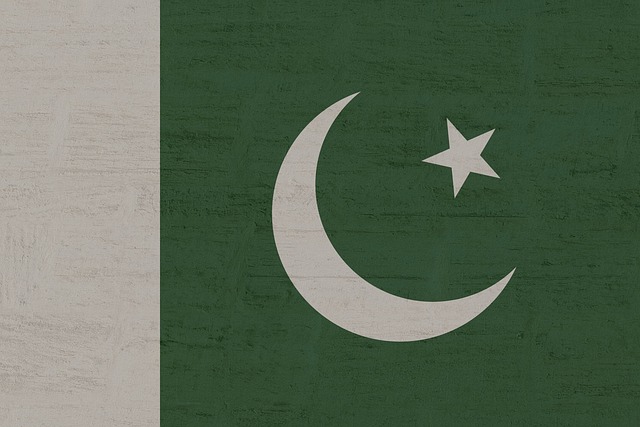
The political landscapes of Pakistan and Bangladesh are marked by a complex interplay of domestic challenges and regional tensions, shaping their respective paths towards development and stability. Both nations grapple with issues that hinder progress, yet differ in their specific struggles, creating a dynamic yet sometimes tense relationship, especially when comparing pakistan vs bangladesh.
In Pakistan, one of the primary domestic challenges is the uneven distribution of resources, highlighting the disparities between urban and rural areas. This inequality impacts access to essential services, including water supply management, which has been a point of contention in several provinces. Moreover, the country’s transportation infrastructure requires significant enhancement to facilitate economic growth. The lack of robust connectivity can hamper industrial development, as exemplified by the limited intra-regional trade within South Asia. However, Pakistan has made strides in its industrial sector, with a focus on diversifying its economy and attracting foreign investment.
Bangladesh, while making remarkable progress in poverty reduction and human development, faces distinct challenges. The country’s rapid urbanization has put immense pressure on its transportation infrastructure, leading to congestion in major cities. Furthermore, water supply management is a critical issue due to frequent flooding and the growing demand for clean water. These regional problems have profound implications for both nations’ economic stability and social cohesion. To address these issues, Pakistan and Bangladesh can collaborate on regional projects, leveraging their shared resources and expertise, as evidenced by successful joint ventures in the past.
To navigate these challenges effectively, policymakers in both countries should prioritize sustainable development strategies. This includes investing in resilient transportation networks to foster connectivity and promote industrial growth in pakistan and bangladesh, while ensuring equitable access to basic services. By focusing on these areas and fostering regional cooperation, Pakistan vs bangladesh can evolve from competing neighbors to powerful allies, creating a more prosperous and stable South Asian region.
Political Evolution: History and Future Projections
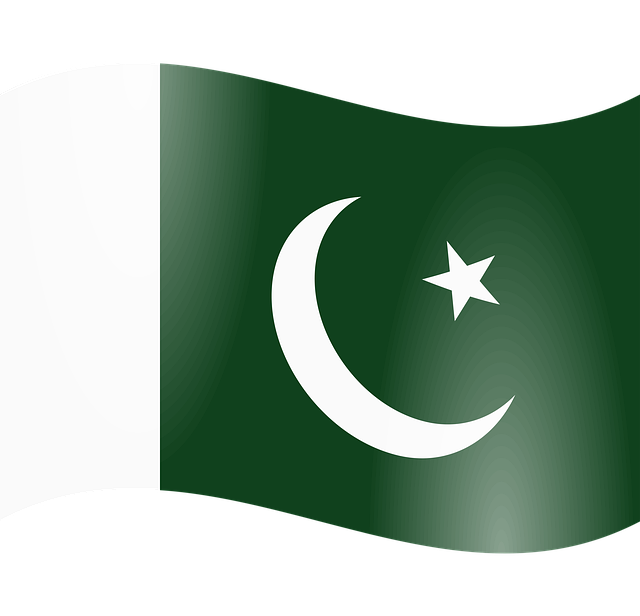
Pakistan and Bangladesh, two South Asian neighbors with rich historical ties, have embarked on distinct political journeys that shape their present and future trajectories. The political evolution of these nations reflects a complex interplay of historical events, cultural dynamics, and regional influences. This analysis delves into the unique paths taken by Pakistan and Bangladesh, exploring how their pasts impact their current political landscapes and what prospects lie ahead for each country in terms of democratic progress and economic development.
Pakistan’s political history is marked by periods of military rule and democratic interruptions. Following its partition from British India in 1947, the nation witnessed a series of coup d’états and martial laws that disrupted its constitutional trajectory. In contrast, Bangladesh, formerly East Pakistan, gained independence in 1971 after a bloody war, establishing itself as a secular democratic republic. This fundamental difference in their historical narratives has resulted in contrasting political systems; Pakistan operates under a federal parliamentary system, while Bangladesh follows a unitary parliamentary model. Despite these variations, both countries have grappled with challenges related to political instability, corruption, and the balance of power between civilian and military institutions.
When examining economic development, Pakistan vs. Bangladesh reveals notable disparities. Bangladesh has made significant strides in poverty reduction and economic growth, becoming a standout success story among low-income countries. Its rapid industrialization and focus on textile manufacturing have contributed to improved healthcare accessibility for its citizens. In contrast, Pakistan, while experiencing periods of robust economic growth, has faced challenges with inequality and corruption. However, recent initiatives aimed at enhancing foreign investment and diversifying the economy offer hope for future progress. Both nations can benefit from international relations dynamics that support their development goals, especially in sectors like technology and renewable energy.
Looking ahead, the political futures of Pakistan and Bangladesh are shaped by ongoing efforts to strengthen democratic institutions and address socio-economic disparities. As these countries navigate complex regional geopolitics, effective governance, and robust public services will be critical factors in fostering stability and prosperity. By learning from each other’s experiences and leveraging global best practices, both nations can continue their journeys towards more inclusive, resilient, and prosperous futures.
The political landscapes of Pakistan and Bangladesh, despite sharing historical roots, have evolved distinctively. This article has offered a comprehensive analysis of their political systems, governments, social dynamics, foreign relations, and challenges, highlighting both similarities and stark differences between pakistan vs bangladesh. Key takeaways include the impact of democratic reforms and economic policies on societal engagement, the influence of regional alliances on foreign affairs, and the persistent issues of religious extremism and ethnic conflicts that shape each nation’s trajectory. Understanding these nuances is crucial for appreciating the unique paths of development in both countries, informing strategic decisions in global engagements and fostering a more nuanced perspective on regional stability. This authoritative exploration equips readers with invaluable insights into the complex political environment of South Asia, pakistan vs bangladesh, and their potential future directions.