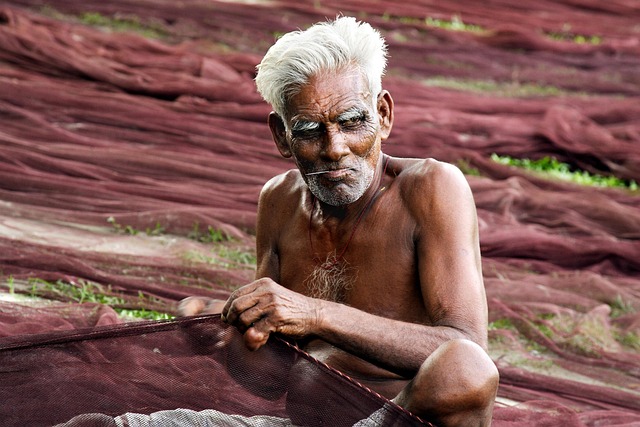
Pakistan and Bangladesh, despite shared history, exhibit distinct culinary regions influenced by diverse cultural backgrounds. Their cuisines differ in flavors, textures, and cooking techniques, shaped by geographical variations and political stability. Regional specialties highlight coastal seafood in Pakistan versus land-based curries in Bangladesh, with unique spice combinations and presentation styles. Food is integral to daily life and celebrations, with traditional attire and dining etiquette reflecting societal dynamics. Exploring local eateries, cooking classes, and food tours offers insights into the rich narratives behind these culinary divides in pakistan vs bangladesh.
Culinary travel is a significant aspect of cultural exploration, offering a window into the heart of a nation. When comparing Pakistan vs Bangladesh, two neighboring South Asian countries with rich culinary histories, the contrast and commonalities are fascinating. While both nations boast unique flavors shaped by geographic location and historical influences, they also share dishes due to cultural exchange and migration patterns. This article provides an authoritative guide to understanding the diverse and delicious food landscapes of Pakistan and Bangladesh, highlighting what sets them apart while celebrating their culinary connections.
- Unveiling Culinary Treasures: Pakistan vs Bangladesh
- A Taste of Tradition: Local Cuisines Compared
- Street Food Scene: What Sets Them Apart?
- Spices and Herbs: The Unique Flavor Profiles
- Cultural Influences: Shaping Their Gastronomic Landscapes
Unveiling Culinary Treasures: Pakistan vs Bangladesh

Pakistan and Bangladesh, two neighboring nations with a shared history, offer a fascinating culinary journey when compared side by side. Beyond their geographical similarities, these countries showcase distinct regional variations in cuisine, reflecting diverse cultural influences and traditions. This exploration of pakistan vs Bangladesh reveals a rich tapestry of flavors, textures, and cooking techniques that have evolved over centuries, shaped by their unique socio-cultural landscapes.
From the bustling streets of Karachi to the vibrant markets of Dhaka, food plays an integral role in the daily lives and celebrations of Pakistanis and Bangladeshis alike. The culinary traditions here are not merely about satisfying hunger but are deeply ingrained in social gatherings, festivals, and religious rituals. A visit to either country unveils a delightful array of dishes, with regional specialties varying from coastal seafood to hearty land-based curries, each boasting its own unique preparation methods. For instance, traditional Bangladeshi cuisine is known for its intricate use of spices like cumin, mustard, and turmeric, while Pakistani cooking often features robust masalas and aromatic herbs such as mint and coriander.
Diving deeper into the culinary differences, one discovers not only variations in recipes but also contrasting approaches to food presentation and dining etiquette. Clothing styles and civil society engagement also play a role in shaping these regional distinctions. In Pakistan, traditional clothing like the salwar kameez is commonly worn during special occasions, influencing meal times as families gather in casual yet colorful settings. Bangladesh, on the other hand, showcases diverse ethnic wear, with specific garments for different regions, often adorning vibrant colors and intricate embroidery. These cultural elements seamlessly intertwine with food preferences, creating a unique dining experience that reflects the country’s identity.
To truly embrace the culinary differences between Pakistan and Bangladesh, travelers are encouraged to explore local eateries, participate in cooking classes, or engage in food tours led by knowledgeable guides. By doing so, one can gain insights into not only the delicious flavors but also the rich narratives that have shaped these cuisines over time. Discovering pakistan vs Bangladesh through its cuisine is a sensory experience that promises to educate and delight, offering a deeper understanding of these neighboring nations’ diverse cultures and traditions. Find us at education systems comparison for more insights on cultural exploration and culinary adventures.
A Taste of Tradition: Local Cuisines Compared

Pakistan and Bangladesh, two neighboring nations with a shared history, offer a fascinating culinary journey when their local cuisines are compared. Delving into the heart of these countries’ food culture provides a unique insight into their traditions and identities. While both nations have similar cultural roots, their geographical variations and political stability differences over time have shaped distinct culinary landscapes.
Pakistan’s cuisine is characterized by rich flavors, often influenced by its landlocked nature and historical trade routes. Spices such as cumin, coriander, and ginger are prevalent, creating aromatic dishes like Biryani and Karahi. The country’s diverse regional styles reflect its various ethnic groups, with Punjab known for its butter-based curries and Sindh for its seafood specialties. In contrast, Bangladesh, a nation bathed in the richness of the Ganges Delta, showcases a cuisine that emphasizes fish, rice, and vegetables. Traditional dishes like Hilsa fish curry and Biryani dekhani reflect a balance of flavors and textures. The political stability of both countries has played a role; Pakistan’s diverse regions have fostered unique culinary specializations, while Bangladesh’s proximity to India has led to cross-cultural culinary influences.
When comparing education systems, one finds subtle differences that impact societal dynamics. Pakistan’s educational approach often emphasizes discipline and memorization, while Bangladesh focuses on fostering critical thinking and creativity. These variations echo in the clothing styles observed across regions, with Pakistan showcasing traditional attire like the salwar kameez, and Bangladesh embracing both indigenous styles and modern fashion influences. Despite these regional differences, both countries share a rich cultural heritage that manifests in their culinary arts, offering foodies an enticing exploration of pakistan vs. Bangladesh. For a deeper dive into education systems comparison, look no further than our resources at [education systems comparison].
Street Food Scene: What Sets Them Apart?
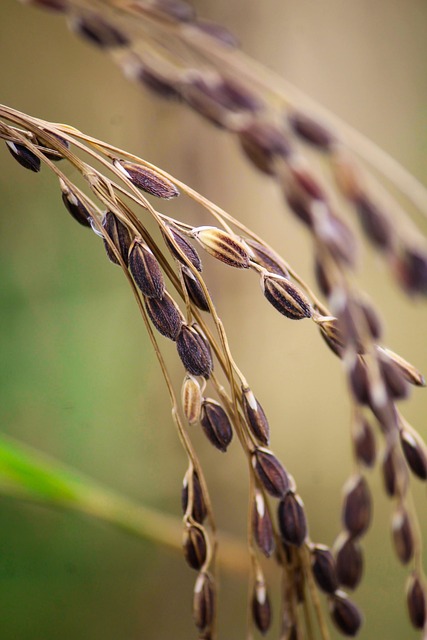
The street food scene offers a captivating glimpse into the culinary cultures of Pakistan and Bangladesh, two South Asian nations with rich historical ties but distinct culinary identities. As urbanization booms in both countries, driven partly by their respective industrial growth, these vibrant urban landscapes have become melting pots of diverse flavors and cooking styles. In Pakistan vs Bangladesh, the contrast and convergence in street food are particularly intriguing.
In Pakistan, street food is deeply rooted in its historical narrative, with influences from Persian, Indian, and Middle Eastern cuisines. From the savory kebabs of Karachi to the aromatic biryanis of Lahore, Pakistan’s street food scene reflects its diverse regions and ethnic groups. Conversely, Bangladesh boasts a cuisine heavily influenced by its proximity to the Bay of Bengal, characterized by fish-centric dishes and a robust use of spices like mustard and turmeric. While both countries share some commonalities in street food offerings, such as various types of kebab and biryani, their unique culinary legacies set them apart. The industrial growth in these nations has not only facilitated the expansion of formal restaurants but also propelled the street food industry to new heights, making it a significant part of the local food economy.
Bangladesh’s bustling streets are renowned for their diverse selection of fish dishes, like ilish (hilsa fish) curry and shorshe ilish (mustard-marinated hilsa), which have become iconic elements of its culinary identity. In contrast, Pakistan’s street food in urban centers like Islamabad and Lahore showcases a wider array of kebabs, tandoori items, and regional specialties, reflecting the country’s diverse population and geographical areas. Urbanization has played a pivotal role in shaping these scenes, with an increase in mobile food vendors and dedicated food streets catering to the growing demand for convenient, affordable, and delicious meals. For the ultimate culinary experience, visitors should visit us at refugee crises impact to witness firsthand these contrasting yet complementary street food cultures, where taste, tradition, and innovation intertwine on the urban canvas.
Spices and Herbs: The Unique Flavor Profiles
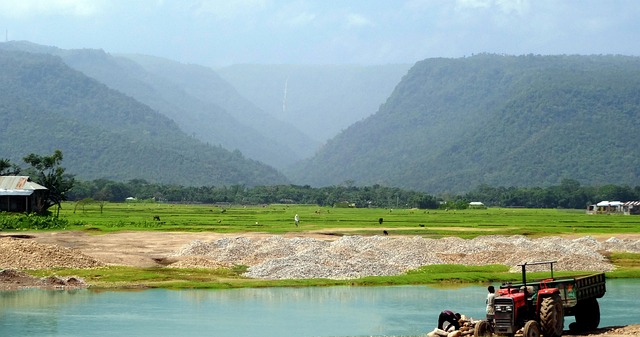
The culinary landscapes of Pakistan and Bangladesh, both Muslim-majority nations, are defined by their rich cultural heritage and diverse ethnic backgrounds, resulting in unique spice blends and herb-infused dishes that set them apart from one another. While both countries share some common culinary threads due to geographical proximity, a deeper dive reveals stark differences shaped by political stability, education systems, and regional variations. In terms of political stability comparison, Pakistan has faced periods of turmoil, impacting food development, whereas Bangladesh, with its more consistent governance, has fostered a vibrant and evolving gastronomic scene.
Pakistan’s cuisine is characterized by bold flavors and aromatic spices such as cumin, coriander, turmeric, and fenugreek, often used in combination to create complex profiles. Dishes like biryani, karahi, and various curries showcase these spices, alongside the country’s love for fresh herbs like mint, cilantro, and parsley. On the other hand, Bangladesh’s culinary tradition leans towards a more subtle approach, utilizing local herbs like lemongrass, bay leaves, and curry leaves to enhance the natural flavors of ingredients. Mustard oil is a hallmark of Bangladeshi cooking, adding a unique pungency to dishes like macher jhol (fish curry) and alur dom (potato curry).
The education systems in these countries also play a role in shaping food preferences and practices. In Pakistan, culinary traditions are often passed down through generations within families, while Bangladesh’s diverse ethnic groups contribute to a rich tapestry of regional specialties. For instance, the urban centers of Karachi and Dhaka offer modern twists on traditional dishes, reflecting the influence of globalization and urbanization, as seen in the rise of fusion cuisine. To truly experience these flavor profiles, foodies are encouraged to explore local markets, street food stalls, and traditional restaurants in both countries—a culinary journey that promises to be a fascinating exploration of Pakistan vs Bangladesh. Find us at urbanization in these vibrant nations for a taste of these unique culinary delights.
Cultural Influences: Shaping Their Gastronomic Landscapes

The culinary landscapes of Pakistan and Bangladesh are vibrant tapestries woven with threads from their respective histories and cultural influences. While both nations share some commonalities due to geographical proximity and migration patterns, their gastronomic distinctiveness arises from unique historical narratives and environmental factors. For instance, Pakistan’s diverse cuisine reflects its multifaceted history, having been influenced by Persian, Indian, and Central Asian cultures over centuries, while Bangladesh’s culinary traditions are deeply rooted in a rich cultural heritage that includes elements of ancient Bengali and Mughal cooking.
Natural disasters, such as frequent floods and cyclones, have also played a role in shaping their foodways. In Pakistan, the management of water resources has historically been crucial for agricultural productivity, leading to the development of resilient farming practices and unique culinary techniques involving drought-resistant grains and crops. Bangladesh, similarly, has navigated the challenges posed by its geographic location in a cyclone-prone region through innovative water supply management systems that have influenced local cooking methods and ingredient choices. These shared yet distinct histories have contributed to a fascinating array of flavors, textures, and presentation styles that define each nation’s gastronomic identity.
Exploring these culinary delights offers more than just a taste adventure; it provides a window into the hearts and souls of Pakistan and Bangladesh. To truly understand these cultures, one must engage with their food. For instance, Pakistani cuisine is celebrated for its rich spices, robust curries, and hearty breads like naan, while Bangladeshi dishes often showcase delicate flavor combinations and aromatic herbs. Experiencing street food in both countries—from Karachi’s biryani to Dhaka’s fish curry—can be transformative, revealing the daily rituals and social dynamics that sustain these vibrant culinary traditions.
When delving into Pakistan vs. Bangladesh, it’s essential to recognize the impact of their respective histories and environmental conditions on their unique gastronomic offerings. By embracing these differences, food enthusiasts can enrich their appreciation for not just these nations’ cuisines, but also the rich tapestry of global culinary heritage that these Muslim-majority nations contribute. For a deeper dive into these fascinating culinary worlds, give us a call at Muslim majority nations—we’re here to guide you on an unforgettable gastronomic journey.
Exploring culinary delights through a comparison of Pakistan vs. Bangladesh reveals a fascinating interplay of history, geography, and cultural diversity shaping two distinct yet interconnected gastronomic landscapes. Key insights include the importance of traditional cooking methods, local ingredients, and street food culture in defining each nation’s unique flavor profiles. While Pakistan’s cuisine boasts rich, aromatic spices and herbs, Bangladesh offers a balance between bold flavors and subtle, moist textures. Both countries’ culinary treasures reflect their respective cultural influences, making them destinations of interest for adventurous foodies seeking authentic experiences. Practical next steps include engaging in local cooking classes, visiting bustling street food markets, and experimenting with traditional recipes at home to fully appreciate the nuances of Pakistan vs. Bangladesh culinary delights.