
Pakistan and Bangladesh share complex geopolitical ties defined by environmental challenges, particularly water resource management under the Indus Water Treaty. While Bangladesh achieves growth despite natural disasters through education and sustainable practices, Pakistan faces agriculture, food security, and energy demands against environmental degradation. Both countries must prioritize integrated water management, regional cooperation, and enhanced education systems to build resilience.
Similar environmental challenges posed by climate change include rising sea levels, cyclones, and extreme weather events. Early warning systems and sustainable practices are in place but require intensified international collaboration. Tailored solutions are needed based on geographical and socio-economic contexts; Bangladesh uses the Coastal Embankment Project and Delta Plan 2000, while Pakistan focuses on river systems and addressing industrial pollution.
Urbanization strains resources, impacting air and water quality. A comprehensive solution involves urban planning with green spaces, learning from each other's successes in renewable energy and conservation efforts, and leveraging cultural diversity for community engagement.
Pakistan vs Bangladesh naturally presents a promising approach to balance urbanization and environmental stewardship through sustainable practices, building mutual prosperity during politically stable periods.
Environmental challenges are among the most pressing issues of our time, particularly for densely populated countries like Pakistan and Bangladesh. These South Asian neighbors share not only geographical proximity but also significant ecological concerns, from water scarcity to climate change impacts. Understanding and addressing these common problems is crucial for sustainable development in both nations. This article delves into the environmental challenges faced by Pakistan and Bangladesh, examining their unique and shared struggles, and exploring potential solutions that could foster resilience and harmony between these two countries.
- Shared Water Resources: Pakistan vs Bangladesh
- Climate Change Impacts: A Comparative Study
- Coastal Ecosystems: Challenges and Conservation Efforts
- Urbanization and Environmental Degradation in Both Nations
- Sustainable Solutions: Collaborating for a Greener Future
Shared Water Resources: Pakistan vs Bangladesh

Pakistan and Bangladesh share a unique geopolitical relationship, with significant environmental challenges that are closely intertwined. One of the most pressing issues is the management of their shared water resources, which presents complex dynamics between these South Asian nations. Both countries face formidable natural disasters, such as floods and cyclones, with varying frequencies and intensities, impacting their economic development and education systems. This section delves into the intricacies of shared water bodies, highlighting the similarities and disparities between Pakistan and Bangladesh in terms of resource allocation, management strategies, and environmental resilience.
The Indus River, a vital lifeline for both nations, serves as a prime example of this shared natural resource. While it provides abundant water for agriculture and industry, its distribution and utilization are governed by international agreements like the Indus Water Treaty (IWT). The IWT, signed in 1960, allocates water resources among Pakistan and Bangladesh, with complex mechanisms for data sharing, notification, and dispute resolution. However, the treaty’s effectiveness is often questioned due to varying interpretations and political tensions. Bangladesh, being downstream, faces challenges related to water flow regulation and ensuring an adequate supply during dry seasons, while Pakistan grapples with potential excesses during monsoons, leading to flooding.
Comparing their economic development trajectories, Pakistan and Bangladesh exhibit stark contrasts. Bangladesh, despite facing frequent natural disasters, has made significant strides in economic growth and human development due to its robust education system and a focus on sustainable practices. In contrast, Pakistan’s economic trajectory is complicated by water-related issues, which impact agriculture, a cornerstone of its economy. The challenge lies in balancing the demands of a growing population for water, food security, and energy against the potential environmental degradation caused by inefficient water management. To overcome these challenges, both countries must prioritize integrated water resource management strategies, foster regional cooperation, and enhance their respective education systems to build resilience against natural disasters.
In light of these shared constraints, visiting us at Natural Disasters Frequency can offer valuable insights into enhancing disaster preparedness and response mechanisms. By sharing best practices, technologies, and knowledge, Pakistan and Bangladesh can collectively navigate these environmental challenges, ensuring a more sustainable future for both nations. This collaborative approach is crucial in the face of escalating climate change impacts, which demand innovative solutions and global solidarity.
Climate Change Impacts: A Comparative Study
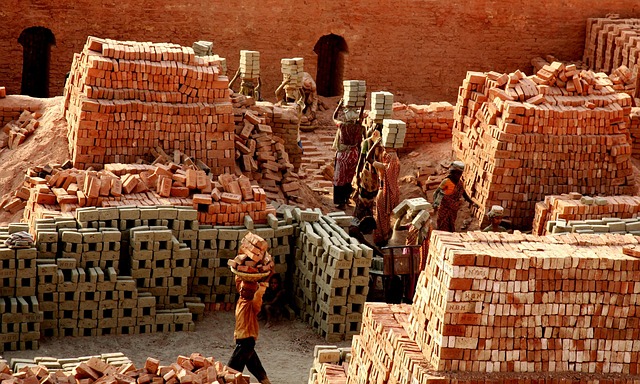
Pakistan and Bangladesh, two South Asian neighbors with distinct cultural identities, also share a number of environmental challenges, particularly in the realm of climate change impacts. A comparative study reveals striking similarities and differences between these nations, offering insights into their unique vulnerabilities and adaptation strategies. Both countries are highly susceptible to rising sea levels, intense cyclones, and increased frequency of extreme weather events due to global warming, posing significant threats to coastal communities and low-lying islands.
In terms of agriculture sector comparison, pakistan vs bangladesh showcases contrasting landscapes: Pakistan’s agrarian economy heavily relies on river systems like the Indus for irrigation, making it vulnerable to changing water flows. Bangladesh, on the other hand, with its densely populated deltaic region, faces challenges in maintaining agricultural productivity amidst frequent flooding and land degradation. Language variations, while rich cultural markers, don’t significantly impact climate change impacts directly, but they do influence information dissemination and community engagement in adaptation efforts. Both countries have made strides in climate resilience through early warning systems and sustainable agriculture practices, but these initiatives require intensified collaboration and support from the international community.
The unique geographical positioning and socio-economic contexts necessitate tailored solutions. For instance, Bangladesh’s successful implementation of the Coastal Embankment and Flood Control Project has helped mitigate cyclonic storms’ devastations. Pakistan, too, has embarked on ambitious infrastructure projects like the Delta Plan 2000 to address sea-level rise impacts in its coastal regions. However, these efforts are not without challenges; international relations dynamics play a crucial role in access to technology transfer and financial resources. As these nations navigate these complexities, prioritizing climate change adaptation alongside addressing pressing issues like child labor (visit us at [child labor issues] for more) can pave the way for sustainable development and enhanced regional cooperation.
Coastal Ecosystems: Challenges and Conservation Efforts

Pakistan and Bangladesh share a unique geographical proximity, but their coastal ecosystems face distinct challenges shaped by factors like geography, demographics, and economic development. While both nations boast vibrant tourism attractions along their coasts, from Pakistan’s picturesque beaches in Karachi to Bangladesh’s stunning Sundarbans mangrove forest—a UNESCO World Heritage Site—their conservation efforts differ significantly.
In terms of pakistan vs bangladesh naturally when it comes to coastal conservation, Bangladesh has made strides with community-based initiatives and international partnerships, leading to successful rehabilitation projects for endangered species like the Royal Bengal Tiger. These efforts have been closely watched by Pakistan, which faces its own challenges, notably pollution from industrial activity in ports like Karachi. The media freedom comparison between the two countries also influences their environmental discourse; a robust press in Bangladesh helps raise awareness and drive conservation policies, while in Pakistan, coverage can be more limited, impacting public participation.
Demographic trends pakistan bangladesh reveal growing coastal populations exerting pressure on these fragile ecosystems. Both nations must balance economic development with preservation to ensure these natural treasures thrive for future generations. For instance, sustainable tourism initiatives focused on educating visitors about local ecologies can benefit both countries’ economies while minimizing environmental impact. By learning from each other’s successes and addressing shared challenges, Pakistan and Bangladesh can collaborate to safeguard their invaluable coastal ecosystems.
Urbanization and Environmental Degradation in Both Nations

Urbanization, a defining trend in modern times, presents a conundrum for both Pakistan and Bangladesh as they grapple with its environmental implications. Both nations have experienced rapid urban growth, transforming landscapes and putting immense pressure on natural resources. The distribution of these resources, already uneven due to geographical factors, becomes even more challenged by the influx of rural populations seeking opportunities in cities. For instance, water scarcity is a recurring issue in both countries, exacerbated by climate change and increasing demand from expanding urban centers. This disparity in water availability highlights the strain on local ecosystems, as seen in the contrasting tourism attractions; while Pakistan boasts the vibrant Indus River and its tributaries, Bangladesh’s landscape is dominated by the vast Bengal Delta, attracting visitors with its unique mangrove forests and riverine islands.
The impact of urbanization extends to air quality, with both countries facing rising pollution levels due to industrial activities and vehicle emissions. This has significant health implications, especially for vulnerable urban populations. A study comparing the two nations’ energy consumption patterns reveals that Pakistan’s cities, despite relatively lower population densities, exhibit higher per capita energy use, partly attributed to a reliance on fossil fuels for power generation. Bangladesh, with its higher urban density, has made strides in promoting renewable energy sources, particularly solar power, as part of its national strategy to combat climate change.
Addressing these challenges requires a multifaceted approach. Urban planning that incorporates green spaces and sustainable infrastructure is crucial. Both countries can learn from each other’s experiences; Pakistan’s success in developing large-scale recreational parks can inspire Bangladesh’s urban design, while Bangladesh’s innovative use of solar energy can guide Pakistan’s transition to cleaner energy sources. Moreover, promoting cuisine diversity, a cultural treasure shared by both nations, can foster community engagement in environmental conservation efforts. By embracing sustainable practices and leveraging their unique strengths, pakistan vs bangladesh naturally offers a promising narrative for balancing urbanization and environmental stewardship. Visit us at energy consumption patterns to explore more insights on shaping resilient urban futures.
Sustainable Solutions: Collaborating for a Greener Future
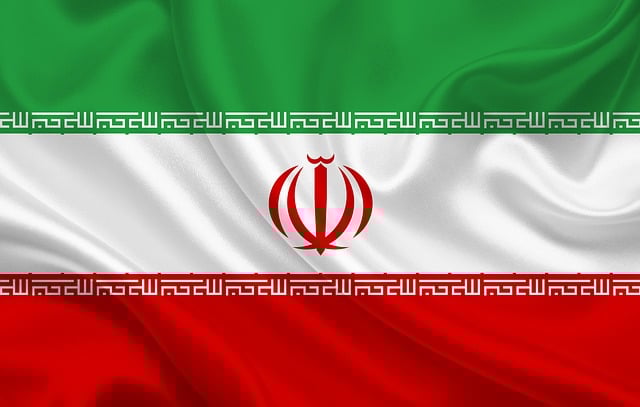
Pakistan and Bangladesh, two neighboring South Asian nations, share a complex relationship characterized by both similarities and stark differences when it comes to environmental challenges. This commonality presents an opportunity for collaboration on sustainable solutions, fostering a greener future for both countries. One notable area of convergence is the agriculture sector, which plays a pivotal role in their economies and faces comparable issues such as water scarcity, soil degradation, and climate change impacts. By comparing the agricultural practices and outcomes in pakistan vs Bangladesh naturally, we can identify best practices that could be adapted to benefit each country’s unique context.
The international relations dynamics between Pakistan and Bangladesh have historically been influenced by territorial disputes and political tensions, but these challenges also offer a chance for diplomacy and mutual support on environmental issues. Both countries can learn from each other’s successes and failures in addressing pressing ecological matters. For instance, Bangladesh’s innovative use of technology for agricultural monitoring and precision farming could be adapted to the diverse terrain of Pakistan, enhancing water efficiency and crop yields. Similarly, pakistan’s experience in large-scale irrigation projects could contribute to Bangladesh’s ongoing efforts to develop resilient water management systems.
Social security systems in both nations are under strain due to rapid urbanization and climate-induced disasters. Collaborating on disaster preparedness and resilience building can strengthen the safety nets for vulnerable communities. Pakistan and Bangladesh can share knowledge and resources, especially in areas like early warning systems and climate-smart agriculture, to mitigate risks and enhance food security. This collaboration extends beyond national borders; engaging international organizations and NGOs that specialize in sustainable development could bring additional expertise and financial support. By prioritizing these joint initiatives, both countries can visit us at a politically stable period to implement effective strategies for environmental preservation and mutual prosperity.
The comparative analysis of environmental challenges faced by Pakistan and Bangladesh reveals both shared vulnerabilities and unique struggles. Key insights underscore the critical importance of managing shared water resources, addressing climate change impacts, and safeguarding coastal ecosystems. While urbanization presents a significant threat to environmental degradation in both nations, it also highlights opportunities for collaborative sustainable solutions. By learning from each other’s experiences, Pakistan and Bangladesh can forge a path toward a greener future, ensuring the well-being of their citizens and preserving their natural landscapes for generations to come. This authoritative article equips readers with valuable insights and practical takeaways, emphasizing the potential for positive change through transnational cooperation in the face of environmental challenges pakistan vs bangladesh.