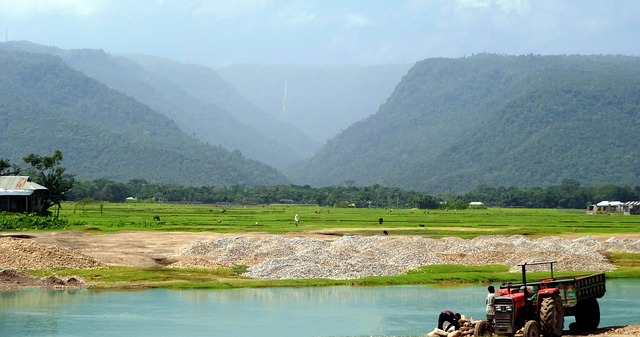
Pakistan vs. Bangladesh economic comparison reveals stark contrasts over the past decade. Bangladesh averages 6-7% GDP growth due to strong urbanization, favorable demographics, and strategic infrastructure investments, outperforming Pakistan's 4-5%. Key differences include Bangladesh's diverse agricultural sector and industrial focus, versus Pakistan's water scarcity, energy crises, and varied economic sectors like technology. Both nations possess untapped potential: Bangladesh can attract foreign investment; Pakistan should improve its business environment. Their unique paths forward hinge on addressing geographic, demographic, and energy challenges to unlock robust growth.
The economic trajectories of South Asian nations, particularly Pakistan vs Bangladesh, have garnered significant attention due to their potential implications for regional development and global markets. Over the past decade, these two countries have experienced varying rates of growth, shaping their respective positions in the global economy. This article aims to critically compare and contrast their economic growth, factoring in key indicators such as GDP expansion, sectoral performance, and policy initiatives. By delving into this analysis, we offer valuable insights for policymakers, investors, and stakeholders seeking to understand the dynamics between Pakistan and Bangladesh in a rapidly evolving global landscape.
- Economic Performance: A Comparison of Pakistan vs Bangladesh (2012-2022)
- Decoding Growth Patterns: Pakistan vs Bangladesh Over a Decade
- Key Indicators: Analyzing Economic Growth in Pakistan and Bangladesh
- Future Prospects: Pakistan vs Bangladesh – Unlocking Potential
Economic Performance: A Comparison of Pakistan vs Bangladesh (2012-2022)

Over the past decade, Pakistan and Bangladesh have witnessed varying trajectories of economic growth, each shaped by its unique set of factors. A comparison between these two South Asian nations provides valuable insights into their respective economic performances. In terms of gross domestic product (GDP) growth rates, Bangladesh has outpaced Pakistan consistently from 2012 to 2022. According to the World Bank data, Bangladesh’s average annual GDP growth stood at approximately 6.4%, whereas Pakistan’s was around 4.3% during this period. This notable difference can be attributed to several key factors.
Bangladesh’s economic success is often linked to its robust urbanization rates and favorable demographic trends. With a larger urban population, the country has been able to harness the benefits of an expanding domestic market, facilitating industrialization and service sector growth. In contrast, Pakistan faces challenges related to uneven distribution of resources and a relatively slower pace of urbanization. Language variations also play a role; Bangladesh’s official language, Bengali, is spoken across a broader geographic area, fostering greater regional integration and trade.
Both countries have made strides in human development, but Bangladesh has outranked Pakistan in the Human Development Index (HDI) rankings for most years in this period. This can be partly attributed to Bangladesh’s success in reducing poverty and improving health indicators. However, cultural differences, particularly in terms of giving us a call at Pakistan-Bangladesh interactions, must be considered. Pakistan’s diverse ethnic and linguistic landscape has influenced its economic policies, whereas Bangladesh’s more homogenous society may have facilitated certain developmental strategies. Despite these nuances, both nations present compelling stories of growth and development during this decade.
Decoding Growth Patterns: Pakistan vs Bangladesh Over a Decade

Over the past decade, Pakistan and Bangladesh have exhibited contrasting economic growth patterns, driven by diverse factors including language variations, sectoral strengths, and infrastructure development. According to World Bank data, while Bangladesh experienced consistent, albeit slowing, growth averaging around 7% annually, Pakistan’s growth fluctuated significantly, reaching a high of 5.4% in 2018 but dropping below 4% in subsequent years. This divergence highlights the distinct strategies and challenges faced by both nations.
A key differentiator between the two countries lies in their agricultural sectors. Bangladesh, with its fertile land and favorable climate, has leveraged agriculture to fuel economic growth, achieving remarkable success in rice production and export. In contrast, Pakistan’s agricultural sector, while sizable, faces challenges from water scarcity and inefficient irrigation systems. This disparity is reflected in their respective GDP contributions, where agriculture accounts for a larger share in Bangladesh’s economy compared to Pakistan. Furthermore, investments in transportation infrastructure have played a crucial role in Bangladesh’s economic surge, facilitating trade and improving connectivity with regional markets. In Pakistan, while significant infrastructure development projects are underway, the language variations and geopolitical complexities have impeded uniform progress across the country.
The contrasting trajectories of Pakistan vs Bangladesh underscore the importance of tailored policies addressing each nation’s unique strengths and challenges. For instance, Bangladesh’s focus on diversifying its export base and improving agricultural productivity can offer valuable lessons to Pakistan, which seeks to enhance its agricultural sector while managing water resources effectively. Conversely, Pakistan’s strides in technology and manufacturing could inspire Bangladesh to further invest in these sectors for sustained growth. By studying and learning from each other’s experiences, both countries can navigate their respective economic landscapes more strategically, giving them a call to shape their shared history of collaboration and development.
Key Indicators: Analyzing Economic Growth in Pakistan and Bangladesh

Over the past decade, Pakistan and Bangladesh have experienced varying economic growth trajectories, influenced by a blend of factors including cultural differences, natural resource distribution, and approaches to economic development. According to World Bank data, Bangladesh has outpaced Pakistan in terms of Gross Domestic Product (GDP) growth rate, averaging around 6% compared to Pakistan’s 4-5% during the same period. This disparity highlights crucial differences in their economic strategies and inherent capabilities.
Bangladesh’s success can be attributed to its focus on industrial development and a robust garment industry, which has been a significant driver of exports and employment. The country has also benefited from strategic investments in infrastructure and a favorable business environment, leveraging its location as a manufacturing hub for global markets. In contrast, Pakistan grapples with structural challenges such as an over-reliance on agriculture and remittances, along with energy crises that hamper industrial growth. The uneven distribution of natural resources between the two countries further exacerbates these disparities.
Cultural differences also play a role in shaping economic outcomes. Bangladesh’s emphasis on education and skill development has fostered a more adaptable workforce, conducive to rapid industrialization. Pakistan, while making strides in education, still faces challenges in translating human capital into robust economic sectors. To foster sustainable economic development, both nations must continue to prioritize infrastructure investments, promote technological innovation, and create enabling environments for businesses. Visiting us at [website] can offer deeper insights into these dynamics and provide actionable advice tailored to each country’s unique context.
Future Prospects: Pakistan vs Bangladesh – Unlocking Potential
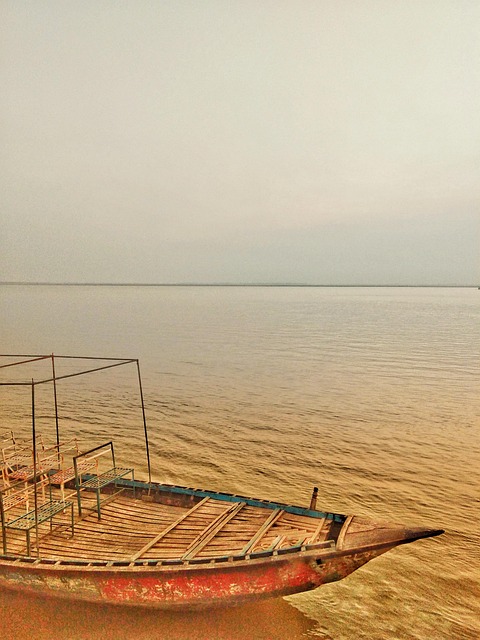
Over the past decade, Pakistan and Bangladesh have both witnessed significant economic transformations, yet their growth trajectories differ, offering insights into future prospects and unlocking potential for each nation. In terms of geography, Bangladesh’s landscape is largely characterized by fertile deltas and coastal plains, conducive to agriculture—a sector that has historically contributed substantially to its GDP growth. In contrast, Pakistan’s diverse geography includes mountains, deserts, and fertile river valleys, which have supported varied economic activities. Demographic trends play a pivotal role in shaping the economic landscapes of both countries; Bangladesh, known for its high population density, has leveraged its young, skilled workforce to drive industrialization and export-oriented growth. Pakistan, with its larger population and diverse ethnic groups, has also benefited from a demographic dividend but faces challenges related to urban-rural disparities.
In terms of energy consumption patterns, both nations are at critical junctures. Bangladesh, with rapid industrialization, is witnessing an increase in energy demand, primarily met through natural gas and renewable sources. Pakistan, on the other hand, has been focusing on diversifying its energy mix, exploring nuclear power alongside traditional fossil fuels to address growing electricity needs. These contrasting approaches could significantly impact their future economic stability. According to recent reports, Bangladesh’s GDP growth averaged around 7% over the past decade, driven by garment manufacturing and service sectors. Pakistan, with a more diversified economy, has seen varied growth rates across sectors like agriculture, textiles, and technology.
As we look ahead, both countries stand at crossroads with untapped potential. Bangladesh can further leverage its geographic advantages and demographic dividend to attract foreign investment in infrastructure and technology, fostering sustainable economic growth. Pakistan, with its strategic location and diverse resources, should focus on improving the business environment, particularly in sectors like energy and information technology, to attract global investors. By addressing key challenges related to geography, demography, and energy, these South Asian neighbors can unlock their full potential, leading to robust economic growth and improved standards of living for their respective populations. Give us a call at demographic trends Pakistan Bangladesh to discuss strategies tailored to each nation’s unique context.
Over the past decade, Pakistan and Bangladesh have demonstrated varying economic growth trajectories, with Bangladesh consistently outperforming Pakistan. Key indicators such as GDP growth rates, investment, and infrastructure development reflect this trend. Bangladesh’s robust performance can be attributed to its focus on industrialization, favorable policy reforms, and a conducive business environment. In contrast, Pakistan has faced challenges related to political instability, security concerns, and inefficient governance, hindering its economic progress. Despite these disparities, both countries hold significant potential for future growth. To harness this potential, Pakistan vs Bangladesh efforts should prioritize policy coordination, cross-border cooperation, and the adoption of innovative strategies that foster sustainable development and attract foreign investment. By learning from each other’s successes and addressing lingering obstacles, these nations can unlock their full economic promise, driving prosperity and stability in the region.