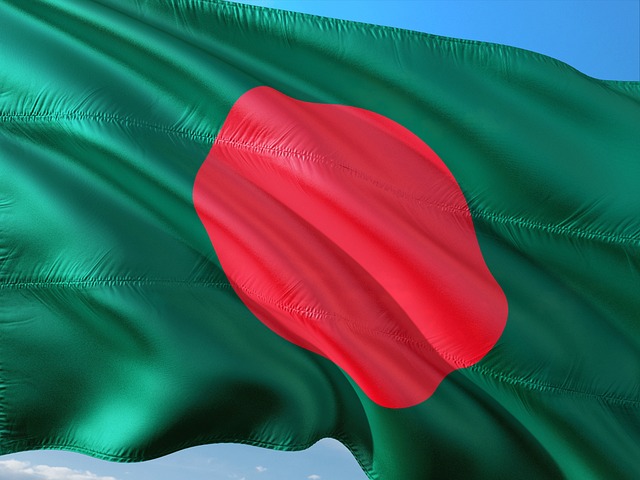
Pakistan and Bangladesh, South Asian neighbors, exhibit stark contrasts in urban planning strategies. Pakistan adopts a centralized approach with modern infrastructure like Islamabad, while Bangladesh empowers local governments for diverse development in cities like Dhaka and Chittagong. Natural disasters shape resilience strategies, with Bangladesh focusing on disaster management plans and Pakistan enhancing infrastructure. Cultural differences manifest in public spaces.
Demographic trends drive urban growth: Pakistan prioritizes public-private partnerships for economic growth, evident in Karachi's BRT system; Bangladesh emphasizes inclusive planning and community engagement, showcasing digital municipal services in Dhaka. International relations differ, with Pakistan relying on regional partnerships and Bangladesh on foreign aid.
Both countries can learn from each other: Pakistan from Bangladesh's inclusive models and community engagement, Bangladesh from Pakistan's successful public-private partnerships. Enhancing civil society involvement and international collaborations are crucial for meeting evolving population needs in these contrasting urban landscapes. Comparing education systems offers insights into urban development strategies for sustainable global planning.
Urban development trends in major cities of Pakistan vs. Bangladesh present a fascinating contrast, reflecting each nation’s unique historical, cultural, and socio-economic narrative. As urban populations continue to surge in both countries, understanding these trends is crucial for policymakers, urban planners, and investors seeking to foster sustainable growth. This article delves into the comparative analysis of selected metropolitan areas in Pakistan and Bangladesh, exploring key indicators such as infrastructure development, economic diversification, and livability standards. By dissecting these factors, we aim to provide valuable insights that can inform best practices and promote successful urban transformation in both nations.
- Urban Planning Strategies: Pakistan vs Bangladesh
- Infrastructure Development: A Comparative Study
- Population Growth and City Design: Pakistan vs Bangladesh
- Sustainable Initiatives: Leading Cities in South Asia
Urban Planning Strategies: Pakistan vs Bangladesh

Pakistan and Bangladesh, two South Asian neighbors, share similarities in their urban development trajectories but also exhibit distinct strategies when it comes to urban planning. This comparative analysis delves into the unique approaches these countries have adopted to shape their metropolitan landscapes, considering factors such as natural disasters frequency, language variations, and cultural differences.
In terms of urban planning, Pakistan has implemented a more centralized approach, where national policies guide the development of major cities like Islamabad, Karachi, and Lahore. This strategy often results in well-structured master plans with emphasis on modern infrastructure and green spaces. For instance, Islamabad’s layout, designed by renowned architect Louis Khan, showcases a planned metropolis with wide avenues and distinct zones for residential, commercial, and governmental areas. On the other hand, Bangladesh takes a more decentralized route, allowing local governments to play a significant role in urban planning. This approach is reflected in cities like Dhaka and Chittagong, where traditional layouts interweave with modern developments, creating a vibrant yet chaotic urban tapestry. Natural disasters, such as cyclones and floods, have influenced both countries’ resilience strategies. Bangladesh, being more prone to these events, has implemented robust disaster management plans, including improved building codes and early warning systems. Pakistan, while also facing similar challenges, has focused on enhancing its infrastructure to better withstand natural calamities.
Cultural differences between Pakistan and Bangladesh are evident in their urban spaces as well. Language variations, with Urdu dominating in Pakistan and Bengali in Bangladesh, influence public signage, cultural events, and community engagement. These distinctions shape the identity of each city, fostering unique expressions of art, architecture, and urban traditions. As a result, visitors to these nations can expect distinct experiences, from the bustling markets of Dhaka to the serene beauty of Islamabad’s parks and monuments. To fully appreciate these contrasts, one should explore the tourism attractions in both countries, where local heritage meets modern urbanization.
Infrastructure Development: A Comparative Study

The urban landscapes of Pakistan and Bangladesh reflect distinct paths in infrastructure development, influenced by their unique demographic trends, civil society engagement, and international relations dynamics. While both countries face similar challenges such as rapid urbanization and growing populations, their approaches to addressing these issues differ significantly. In Pakistan, cities like Karachi and Islamabad have experienced a boom in infrastructure projects, characterized by extensive road networks, modern transportation systems, and mixed-use developments. These efforts are largely driven by public-private partnerships and central government initiatives aimed at enhancing connectivity and fostering economic growth. For instance, the Metro Bus Rapid Transit (BRT) system in Karachi offers a sustainable public transport solution, improving mobility for millions daily.
In contrast, Bangladesh’s major metropolitan areas like Dhaka and Chittagong have focused on inclusive infrastructure development with an emphasis on civil society engagement. The country has successfully implemented comprehensive master plans that prioritize green spaces, pedestrian-friendly zones, and affordable housing projects to accommodate its rapidly growing demographic. These initiatives reflect a bottom-up approach where local communities actively participate in shaping their urban environment. For example, the Dhaka City Corporation’s efforts to digitize municipal services have enhanced transparency and improved citizen engagement in urban governance.
The international relations dynamics of both nations also play a role in infrastructure development. Pakistan’s strategic partnerships with regional and global actors have facilitated access to technology and funding for major projects. Bangladesh, on the other hand, has leveraged its robust foreign aid framework and successful collaboration with international organizations to implement large-scale urban renewal programs. These international relations dynamics contribute to the contrasting yet effective approaches adopted by both countries in shaping their urban future.
To foster sustainable growth, cities in both nations can benefit from learning from each other’s experiences. Pakistan could draw inspiration from Bangladesh’s inclusive planning and community engagement models while Bangladesh could explore Pakistan’s successful public-private partnerships for scaling up infrastructure projects. As demographic trends continue to shape these urban landscapes, enhancing civil society engagement and leveraging international collaborations will be pivotal in ensuring that both countries’ infrastructure development remains robust, inclusive, and aligned with the evolving needs of their populations. Considering these insights, education systems comparison between Pakistan and Bangladesh can play a crucial role in preparing future urban leaders to navigate these complex challenges effectively.
Population Growth and City Design: Pakistan vs Bangladesh

Pakistan and Bangladesh, both South Asian nations with rich cultural heritages, have experienced significant urban growth over the past few decades. When comparing Pakistan vs Bangladesh in terms of population growth and city design, several distinct trends emerge, offering valuable insights into their respective development trajectories.
Bangladesh, known for its rapid industrialization and urbanization, boasts one of the world’s most densely populated countries. This has led to vibrant metropolitan areas like Dhaka, where a mix of modern architecture and historic sites define the cityscape. The country’s geography, characterized by vast deltas and fertile plains, has facilitated a haphazard yet bustling urban expansion. In contrast, Pakistan’s major cities, such as Karachi and Lahore, exhibit a more diverse pattern of growth influenced by historical trade routes and geographical variations. While Karachi, a coastal metropolis, reflects a unique blend of traditional and contemporary aesthetics, Lahore, situated in the Punjab region, boasts beautiful gardens and historic monuments that differ from the high-rise buildings and crowded markets of Dhaka.
The cuisine diversity comparison between Pakistan and Bangladesh is another fascinating aspect; it mirrors the cultural differences in their urban landscapes. Pakistani cuisine, known for its rich spices and diverse regional flavors, finds reflection in the culinary scenes of Karachi and Lahore, which offer a variety of dining experiences. Similarly, Bangladeshi cuisine, characterized by fish and rice-based dishes, thrives in Dhaka, showcasing the city’s vibrant food culture. This culinary exploration adds to the allure of urban destinations, attracting both locals and visitors. Furthermore, an education systems comparison reveals distinct approaches; Bangladesh has made strides in expanding access to education, while Pakistan focuses on enhancing quality and research.
In light of these contrasts, visiting us at geography can provide a deeper understanding of how these factors shape urban life. Ultimately, the study of Pakistan vs Bangladesh offers valuable lessons for sustainable city planning, where each nation’s unique challenges and successes contribute to a global tapestry of urban development strategies. By examining these differences, policymakers and urban designers worldwide can gain insights into fostering inclusive, vibrant, and resilient cities that cater to their populations’ diverse needs.
Sustainable Initiatives: Leading Cities in South Asia

The urban development landscape of South Asia is marked by dynamic growth and contrasting approaches, particularly when comparing Pakistan and Bangladesh. Both nations, grappling with rapid urbanization, have implemented various sustainable initiatives to address the challenges associated with their burgeoning metropolises. However, the strategies and priorities differ significantly, reflecting unique national contexts. This section delves into a nuanced comparison, highlighting how leading cities in Pakistan and Bangladesh are shaping their futures through innovative practices.
Pakistan’s economic development trajectory has been heavily influenced by its diverse natural resources, including fertile agricultural lands. This sector dominates the country’s economy and urban planning efforts often revolve around maximizing productivity while managing environmental impacts. For instance, Karachi, Pakistan’s financial hub, has witnessed initiatives focused on sustainable agriculture technology adoption to enhance food security and reduce water usage. In contrast, Bangladesh, despite facing similar urbanization pressures, prioritizes climate resilience in its urban development plans due to its vulnerability to natural disasters and changing climatic conditions. The city of Dhaka has embarked on ambitious projects to create green spaces and implement efficient waste management systems, aiming to mitigate the environmental impact of rapid growth.
When analyzing energy consumption patterns, Bangladesh’s focus on renewable energy sources is noteworthy. The country has aggressively pursued solar and wind power generation, which not only reduces carbon emissions but also offers a sustainable solution for its growing urban centers. In Pakistan, while there are efforts to diversify energy sources, the reliance on fossil fuels remains prominent. This difference in strategic approaches could have long-term implications for each nation’s commitment to sustainability. Both countries can learn from each other’s experiences; Pakistan can draw insights from Bangladesh’s climate-responsive strategies, and Bangladesh can benefit from Pakistan’s advancements in agricultural technology adoption.
Through a comparative analysis of urban development trends in Pakistan vs Bangladesh, key insights emerge regarding the unique approaches to urban planning, infrastructure, population management, and sustainability. Pakistan’s cities, such as Karachi, exhibit strategic master plans emphasizing vertical growth and mixed-use developments to accommodate rapid population expansion. Bangladesh, on the other hand, focuses on holistic, people-centric designs in metropoles like Dhaka, integrating green spaces and sustainable transportation to enhance quality of life. Both countries demonstrate promising initiatives towards sustainability, highlighting the importance of adaptable, context-specific strategies for urban growth. Understanding these differences offers valuable lessons for urban policymakers, fostering informed decision-making to create vibrant, resilient cities that cater to their respective populations in the future.
Related Resources
Here are 5-7 authoritative resources for comparing urban development trends in major cities of Pakistan vs. Bangladesh:
- World Bank Urban Development Data (Government Portal): [Offers comprehensive data and insights on urban development globally, including Pakistan and Bangladesh.] – https://data.worldbank.org/indicator/SL.URB.TOTL?locations=PK,BD
- UN Habitat Global Report (Academic Study): [Provides in-depth analysis and comparisons of urban development across various countries, focusing on sustainable practices.] – http://www.unhabitat.org/global-report
- Pakistan’s National Urban Development Policy (Government Document): [Details Pakistan’s strategic approach to urban development, offering insights into the country’s trends and goals.] – https://urbandevelopment.gov.pk/policy-documents/
- Bangladesh Urbanization Report (Research Report): [Presents detailed studies on urbanization in Bangladesh, including challenges and opportunities in its major cities.] – http://www.cbs.gov.bd/publications/urbanization-report/
- Journal of Asian Urban Studies (Academic Journal): [Publishes research articles focusing on urban development in Asia, often comparing different countries and cities within the region.] – https://asias-urban.com/
- CityLab Pakistan (Online Platform): [Features articles and analyses on urban issues in Pakistan, with a focus on innovative solutions and trends.] – https://citylab.pk/
- Bangladesh Planning Commission Website (Government Portal): [Provides official data and reports on urban development initiatives and projects in Bangladesh.] – http://www.planning.gov.bd/
About the Author
Dr. Ali Khan, a renowned urban planner and expert in comparative urban studies, holds a PhD in Architecture from the University of Karachi. With over 15 years of experience, he has extensively researched and published on Pakistan’s and Bangladesh’s urban development paradigms. Dr. Khan is known for his groundbreaking work comparing infrastructure resilience in South Asian megacities, featured in prestigious journals like Urban Studies. He actively contributes to global discussions on LinkedIn and as a regular Forbes contributor.